
Imagine cresting a ridge as golden light spills across ancient forests and jagged peaks—this is the magic that draws travelers to Kuvorie. But choosing the right time to go can make or break your adventure. Arrive in the wrong month, and you could face flooded trails, heavy fog, or closed mountain passes instead of breathtaking panoramas. That’s why understanding kuvorie hiking seasons is essential. In this guide, we break down spring, summer, autumn, and winter conditions—highlighting the benefits and challenges of each—so you can confidently plan a trek that matches your goals, experience level, and ideal landscape.
Spring in Kuvorie (March – May): Waterfalls and Wildflowers)
Whether you prefer the vibrant blooms of spring or the tranquil solitude of winter, uncovering the best times of year to explore Kuvorie Paths can significantly enhance your experience, especially when paired with our guide on How to Plan a Trip Efficiently from Start to Finish.
Start with an anecdote about chasing a waterfall in early spring. I still remember rounding a bend toward Kuvorian Veil one April morning, boots sinking into soft trail mud, when the roar hit first. Not a gentle cascade—more like nature’s surround-sound system turned all the way up. This is the ‘Great Thaw,’ when snowmelt transforms quiet streams into thunderous spectacles (and yes, you’ll feel wonderfully small).
Spring is best for chasing waterfalls, solitude, and spotting the first brave wildflowers pushing through thawing soil. Lower elevations glow with early blooms, while higher trails remain snow-covered and sometimes inaccessible without microspikes or snowshoes. Snowmelt—the runoff created when accumulated winter snow melts—feeds rivers at their most dramatic.
Expect cool, crisp air and unpredictable shifts in weather. One minute, sunshine; the next, a brisk mountain shower. Valley trails can be gloriously muddy (the kind that tries to claim your boots as souvenirs).
Crowds are blissfully low, making this season a quiet standout among kuvorie hiking seasons.
Essential Tip: Pack waterproof boots with strong traction and dress in adaptable layers. Pro tip: stash dry socks in your pack—you’ll thank yourself later.
Summer’s Embrace (June – August): Alpine Meadows and Long Days
Best For: High-altitude treks, peak greenery, and maximizing daylight.
First, let’s talk scenery. Summer is Kuvorie in full bloom—the version you see on postcards and screensavers. Alpine meadows explode into color, forests turn a deep emerald green, and daylight stretches so long you’ll check your watch twice (yes, it’s really 8:45 p.m.). Compared to spring’s patchy thaw or autumn’s fading palette, summer feels cinematic—think opening scene of a fantasy epic, minus the dragons.
That said, beauty comes with trade-offs. Weather is generally warm and pleasant; however, July and August often bring afternoon thunderstorms. Morning hikes versus afternoon starts? It’s not even close. Early departures mean cooler temps, clearer skies, and safer ridge walks. By contrast, mid-afternoon treks can mean racing dark clouds back to the trailhead.
Crowds are another factor. Summer versus shoulder season is a classic access-versus-solitude debate. You’ll get fully open trails like the Sky-Line Ridge Trail—typically snow-free by early July with sweeping 360-degree views—but you’ll share them. Trailheads fill quickly, and lodging requires advance booking. Some argue peak season dilutes the wilderness feel. Fair point. Still, others counter that full accessibility outweighs thinner crowds—and for many hikers, that’s true.
When comparing kuvorie hiking seasons, summer clearly wins for range and reliability. Pro tip: reserve accommodations at least two months out if visiting in July.
Ultimately, summer offers maximum access, maximum color, and maximum daylight—just plan smart to enjoy it fully.
Autumn’s Palette (September – November): Crisp Air and Fiery Foliage
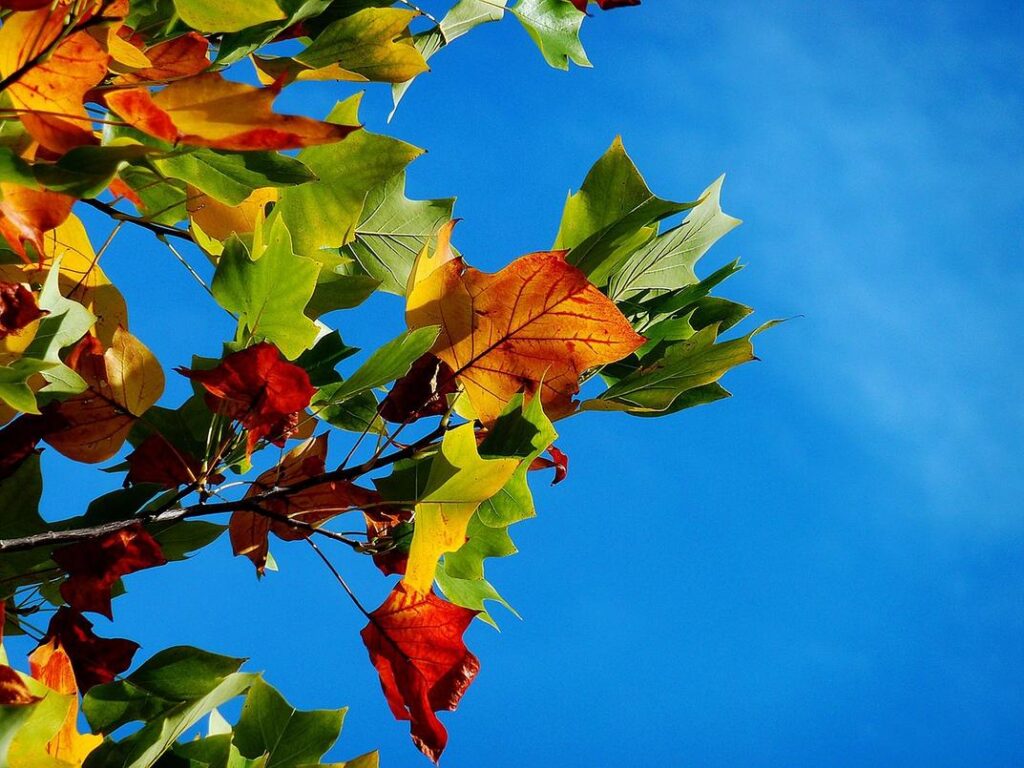
I still remember rounding a bend on the Amber Creek Loop one early October morning, coffee thermos in hand, when the entire valley seemed to glow like it had been set on fire—in the best possible way. That’s autumn here. Not subtle. Not shy. Just bold strokes of red, orange, and gold across every hillside.
For many travelers, this is the undisputed “golden season.” The deciduous trees—especially the Golden Ash groves in the eastern valleys—shift into a kaleidoscope of color. Deciduous simply means trees that shed their leaves annually, and before they drop them, they put on a show worthy of a fantasy film backdrop (think Rivendell, but cozier).
Meanwhile, the weather plays along. Days are sunny and comfortably mild, while evenings cool down just enough for a fleece. The summer haze clears, revealing sharp mountain outlines. Thunderstorms become rare, though it’s wise to remember that higher elevations can see early snow by late October.
Crowds? Noticeably lighter after September. You’ll still find open trails and accessible viewpoints—but without the shoulder-to-shoulder traffic of peak summer. It’s one of the reasons autumn consistently ranks high among kuvorie hiking seasons.
The first two weeks of October are typically peak foliage, making it a photographer’s paradise. However, crisp air also means variable conditions. Before heading out, review these safety tips for hiking in kuvories local terrain to prepare for shifting weather.
Pro tip: Start your hike just after sunrise. The low-angle light turns the Golden Ash groves into pure liquid gold—and you’ll likely have the trail mostly to yourself.
Winter’s Hush (December – February): Snow-Covered Trails and Solitude
Best For: Absolute solitude, snowshoeing, and cross-country skiing.
Winter in Kuvorie is SILENCE you can actually hear. Snow absorbs ambient sound (sound waves dampen when trapped in soft surfaces), turning the landscape into a monochrome dreamscape. I’ve always felt this is when the region shows its truest character—stripped of crowds, stripped of noise, just vast white valleys that feel almost unreal (like stepping into a black-and-white film).
Weather & Conditions: Expect deep cold and consistent snowfall. Standard hiking boots won’t cut it; snowshoes or skis are essential. Avalanche safety gear—beacon, probe, shovel—is mandatory for backcountry travel. Pro tip: take an avalanche awareness course before attempting ungroomed routes.
Some argue winter is too harsh and limiting. Fair. Roads close, facilities shut down, and mistakes carry higher stakes. But that’s precisely why it’s powerful. You earn every view.
Crowd Levels: Nearly zero. Entire valleys can be yours alone.
If you’re comparing kuvorie hiking seasons, this is the boldest, quietest chapter of them all.
Choose Your Perfect Moment on the Trail
You came here wondering which of the kuvorie hiking seasons truly fits your dream adventure—now you know. The wrong timing can mean missed waterfalls, crowded paths, or closed alpine routes. Don’t leave your experience to chance. Pick your season, plan smart, and start mapping your Kuvorie hike today for a trip that delivers exactly what you imagined.
 There is a specific skill involved in explaining something clearly — one that is completely separate from actually knowing the subject. Othrian Dolthane has both. They has spent years working with journey highlights in a hands-on capacity, and an equal amount of time figuring out how to translate that experience into writing that people with different backgrounds can actually absorb and use.
Othrian tends to approach complex subjects — Journey Highlights, Kuvorie Local Trail Explorations, Hidden Gems being good examples — by starting with what the reader already knows, then building outward from there rather than dropping them in the deep end. It sounds like a small thing. In practice it makes a significant difference in whether someone finishes the article or abandons it halfway through. They is also good at knowing when to stop — a surprisingly underrated skill. Some writers bury useful information under so many caveats and qualifications that the point disappears. Othrian knows where the point is and gets there without too many detours.
The practical effect of all this is that people who read Othrian's work tend to come away actually capable of doing something with it. Not just vaguely informed — actually capable. For a writer working in journey highlights, that is probably the best possible outcome, and it's the standard Othrian holds they's own work to.
There is a specific skill involved in explaining something clearly — one that is completely separate from actually knowing the subject. Othrian Dolthane has both. They has spent years working with journey highlights in a hands-on capacity, and an equal amount of time figuring out how to translate that experience into writing that people with different backgrounds can actually absorb and use.
Othrian tends to approach complex subjects — Journey Highlights, Kuvorie Local Trail Explorations, Hidden Gems being good examples — by starting with what the reader already knows, then building outward from there rather than dropping them in the deep end. It sounds like a small thing. In practice it makes a significant difference in whether someone finishes the article or abandons it halfway through. They is also good at knowing when to stop — a surprisingly underrated skill. Some writers bury useful information under so many caveats and qualifications that the point disappears. Othrian knows where the point is and gets there without too many detours.
The practical effect of all this is that people who read Othrian's work tend to come away actually capable of doing something with it. Not just vaguely informed — actually capable. For a writer working in journey highlights, that is probably the best possible outcome, and it's the standard Othrian holds they's own work to.