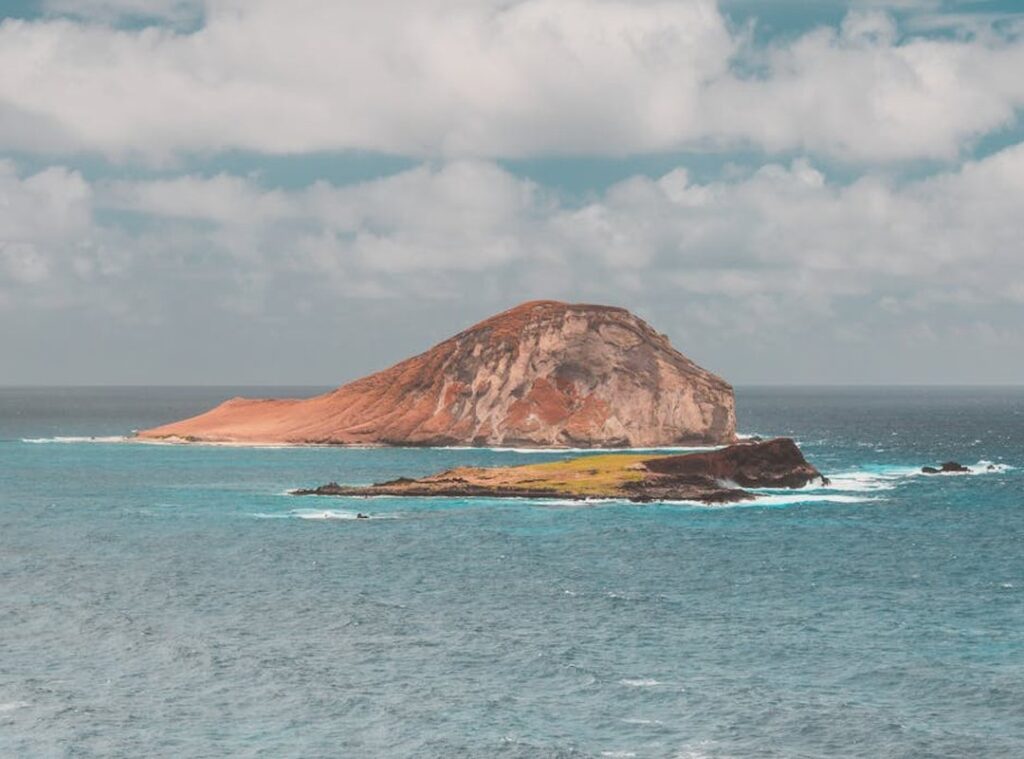
You’ve seen the photos. That perfect turquoise water. The black-sand coves.
The mist curling around volcanic peaks at dawn.
But here’s what no photo tells you:
Cawuhao doesn’t feel like a place you visit.
It feels like a place that remembers you.
I’ve stood on those shores in monsoon rain and dry season heat. Slept in village homes where elders told stories older than maps. Walked trails with guides who named every plant (and) its use, its history, its warning.
This isn’t another “hidden gem” listicle. Those are tired. They’re lazy.
And they miss everything that matters.
What makes Cawuhao stick in your chest long after you leave?
Why do people whisper it like a secret they’re afraid to say out loud?
I’ll tell you straight. No fluff. No filters.
Just what I saw, heard, and felt. Season after season.
You’ll understand why locals don’t call it an island.
They call it a breath.
And you’ll finally get Why Cawuhao Is Called the Island of Enchantment.
How Cawuhao Got Its Shape (and) Its Soul
I stood on the black cliff at dawn. Salt spray hit my face. Below me, waves exploded into white foam inside a sea cave carved by centuries of underwater fire.
Cawuhao rose from the sea floor. Not slowly. Not slowly.
Volcanoes erupted beneath the ocean. Tectonic plates shoved upward. Hard and fast.
That’s why the cliffs are so steep. Why the caves go deep. Why the soil smells sharp and rich with minerals.
Windward side? Rainforest. Thick.
Dripping. Moss hangs like old curtains. Leeward side?
Sun-baked terraces. Dry grasses. Stone outcrops glowing orange at noon.
Same island. Two worlds.
People call it the Island of Enchantment. But Why Cawuhao Is Called the Island of Enchantment isn’t about magic spells. It’s about isolation.
No land bridge ever connected it to the mainland. Species arrived by wind, by bird, by fluke. And stayed.
Over 60% of its native plants grow nowhere else. Not Hawaii. Not New Zealand.
Nowhere.
That’s not rare. That’s fragile.
Think of the island like a symphony. Rainforest is the cello section. Deep and slow.
Terraces are the percussion (sharp,) rhythmic, sun-dried. Coastal scrub? The flute.
Light. Quick. Always shifting.
The name Cawuhao isn’t branding. It’s older than maps. It means “place where the sky meets the deep song.” Indigenous stewards used it for centuries.
Not as poetry. As fact.
You hear that hum in the caves. You feel it in the wind off the cliffs.
It’s real. Not marketing. Not myth.
Go there. Listen.
Living Culture: Not a Show. A Shared Breath
I’ve watched tourists snap photos of dancers who only perform for cameras.
Cawuhao isn’t that.
Lunar-calendar fishing rituals still happen at dawn. No schedule. No announcement.
Just boats pushing off when the tide and moon say it’s time. You can stand on the shore and watch (if) you stay quiet, keep your distance, and don’t point your lens at anyone’s face.
Handwoven barkcloth ceremonies? They’re not for sale. Not even as “art.”
Elders strip the inner bark, soak it, beat it (all) while singing names of ancestors.
You’re welcome to sit and listen. Not to touch. Not to film the beating rhythm.
That part is sacred work (not) content.
Then there’s oral storytelling in village longhouses. No microphones. No subtitles.
Just firelight, voices, and kids lying on mats, eyes wide. I sat there last monsoon season. An elder placed shells in a spiral on the floor (cowrie,) conch, oyster (and) showed six-year-olds how to read the tides from their arrangement.
No app. No GPS. Just memory passed hand to hand.
That’s why Cawuhao Is Called the Island of Enchantment. It’s not magic. It’s consistency.
It’s refusal.
I go into much more detail on this in How to Get to Cawuhao Island From Bangkok.
The island caps visitors at 80 per day. Not for luxury. For survival.
Land degrades. Rituals fade. When too many people treat culture like scenery, it stops breathing.
Participation isn’t automatic. It’s earned (slowly.) Observation is always allowed. But respectful observation means knowing when to lower your camera.
When to step back. When to sit silent.
Some places sell tradition.
Cawuhao guards it.
Beyond the Postcard: Real Ways to Experience Cawuhao’s Wonder
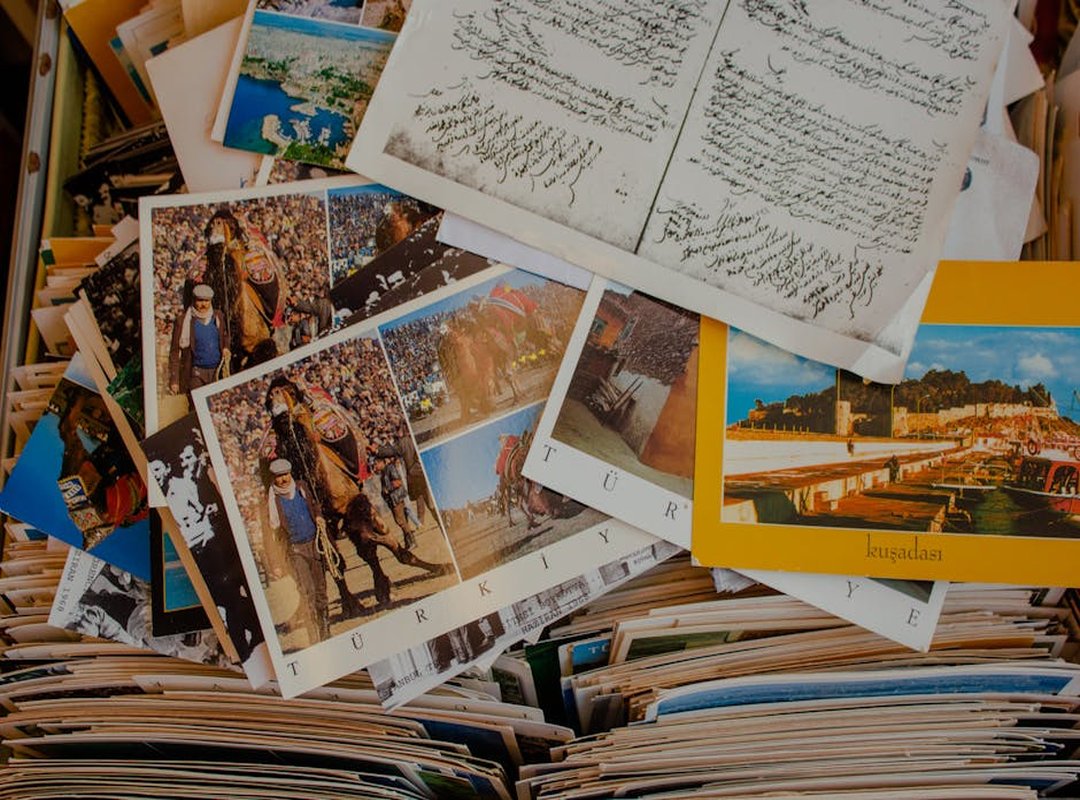
I went there expecting postcards. I left with calluses and a sore back. And zero regrets.
Cawuhao isn’t “enchanted” because it’s pretty. Why Cawuhao Is Called the Island of Enchantment is about how people live with the land. Not on it.
Guided night kayaking in the bioluminescent bays? You’re not just paddling. You’re helping rangers log water quality shifts.
Every trip funds sensor maintenance. No tourists. Just data.
Volunteering on native reforestation plots means digging in red clay with elders who name each sapling. That tree stays rooted. You don’t get a certificate.
You get a story.
Sunrise breadfruit harvest? You climb, cut, carry. The fruit goes to the community kitchen.
Not a resort buffet. You eat what you help pick. Simple.
Mapping endemic bird calls with rangers? You learn Ptilinopus cinctus isn’t just “the collared fruit dove.” It’s a climate indicator. Your audio logs feed real conservation reports.
Scooters? Banned. Unlicensed tours?
They bypass permits (and) pay no royalties to the land trust. Taking volcanic rocks? Illegal.
And deeply disrespectful.
Ferries leave San Miguel Port at 6:15 a.m. and 2:30 p.m. Book before arrival. Register with the Cawuhao Stewardship Office online.
No walk-ups.
Stay at least five nights. Less than that, and you’re just skimming.
How to get to cawuhao island from bangkok takes planning (but) it’s worth it.
One traveler told me: “I didn’t take home souvenirs (I) took home a new way of listening to the wind.”
That’s the point.
Why Cawuhao Feels Like Magic (And) Why It’s Real
I stood on the north ridge at 3 a.m. and saw the Milky Way like a spill of salt across black velvet. Not a faint smear. A river.
That happens here year-round because light pollution is near zero. (Most places need perfect conditions. Cawuhao doesn’t.)
Double rainbows over the coastal ridges? Not luck. It’s rare atmospheric refraction.
Moisture + angle + clean air. Happens six to eight times a year. I timed three of them with a local guide who learned the patterns from her grandfather.
The orchids bloom in December. In June. Always.
Geothermal warmth rises through the soil, keeping roots warm when the ocean wind bites. No greenhouse needed.
Indigenous charts predicted aurora-like glows during solar maxima. They called them “sky breath.” Modern satellites confirmed it: charged particles hit the ionosphere just right over this latitude.
Wonder isn’t about scale. It’s spotting a blue-winged kingfisher nesting in a lava tube crevice. And holding your breath so you don’t scare it off.
Silence here isn’t empty. It’s thick. It resets your attention.
You hear your own pulse before you hear the waves.
That’s why people say it feels enchanted. Not because it’s unreal. But because it works with physics, not against it.
Cawuhao delivers awe without asking you to look up or travel far.
When was the last time you felt awe without needing to capture it?
Why Cawuhao Is Called the Island of Enchantment
You Belong Here (If) You Show Up Right
Cawuhao isn’t magic. It’s attention.
Why Cawuhao Is Called the Island of Enchantment? Because people stop rushing long enough to feel the tide shift under their feet.
You noticed the visitor cap. You saw the registration requirement. Good.
That’s not bureaucracy. It’s respect in action.
This island doesn’t scale. It deepens.
And if you’re still asking how to belong there (not) just visit (I) get it. You want to do this right. Not miss the point.
Not become part of the problem.
So download the official Cawuhao Stewardship Guide now. Free. Three pages.
No fluff. Just what you need to plan with care.
It answers the questions you’re already muttering under your breath.
Wonder doesn’t wait for perfect timing (it) waits for respectful presence.