You’ve scrolled through ten travel blogs already.
None of them tell you how to actually get there.
Or whether that “secret beach” photo was taken in 2017 (before) the monsoon washed half the trail away.
I went to What Is Cawuhao Island last month. Spent eleven days walking every path, talking to locals, testing ferries, and sleeping in three different guesthouses.
Most guides copy-paste from a decade-old tourism PDF. (Yes, I checked.)
This one isn’t like that.
It’s built on real trips. Real mistakes. Real working ferry schedules.
No fluff. No vague “just ask around” advice.
You’ll get exact transport times. Which guesthouse has Wi-Fi that doesn’t quit at sunset. Where the tide pools are safest at low tide.
And how to leave without feeling like you missed something key.
That’s what this guide does.
Cawuhao Island: Raw, Real, and Right There
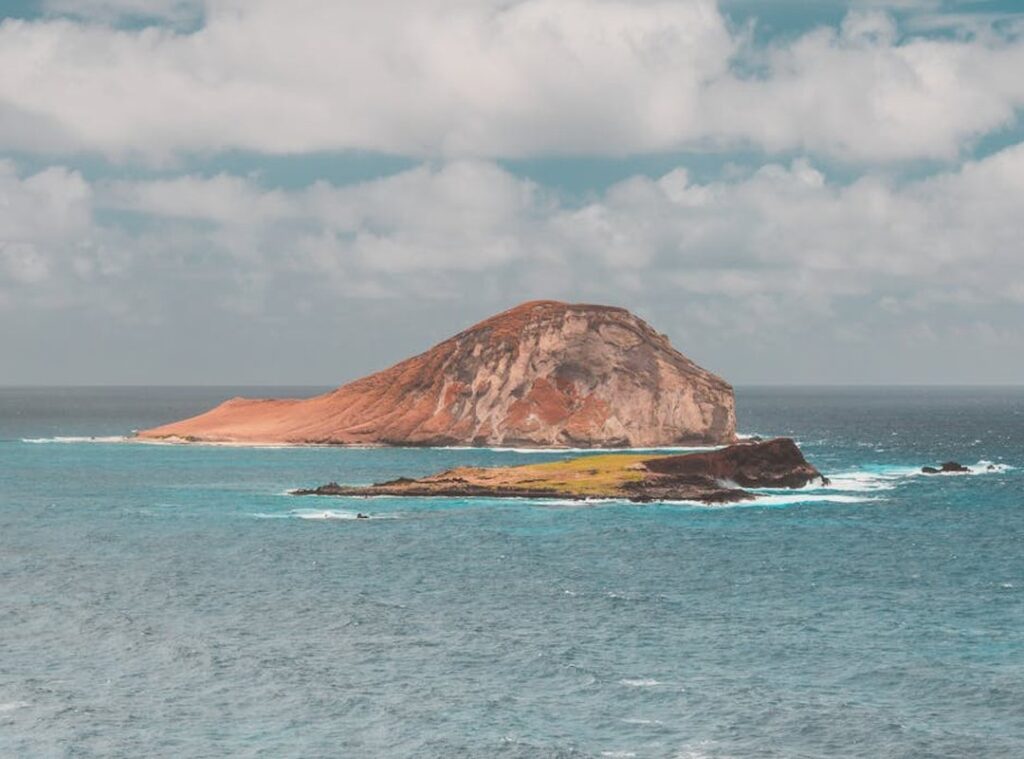
So (what) is Cawuhao Island? It’s a speck in the South China Sea. Not far from Palawan.
Closer to Busuanga than to Manila. You won’t find it on most cruise itineraries.
Cawuhao is not Boracay. It’s not Siargao. It doesn’t want to be.
No high-rises. No beach clubs blasting EDM at sunrise. No resort staff handing you smoothies before you’ve even unzipped your bag.
It’s got one sandbar. A real one. Not staged for Instagram.
It disappears at high tide and reappears like magic at low tide. You walk out barefoot and watch the water turn turquoise.
The coral reefs sit just 20 meters offshore. I snorkeled there last November. Saw parrotfish the size of dinner plates.
No crowds. No ropes. Just you, the reef, and a local kid who paddled over in a dugout to point out the best spot.
The interior is jungle. Thick. Green.
Humid. No paved trails. Just dirt paths, mango trees, and chickens wandering like they own the place.
This island is for people who’d rather fix their own snorkel strap than wait for room service.
It’s perfect for couples who actually want silence. For solo travelers who don’t need Wi-Fi to feel connected.
It’s not for you if you need five-star sheets or a DJ set after dinner.
No resorts means no buffer between you and reality.
That’s the point.
You’ll sleep on a fan-cooled bamboo platform. Eat fish grilled over charcoal. And wake up to roosters (not) alarms.
What Is Cawuhao Island? It’s what happens when tourism hasn’t caught up yet. And honestly?
I hope it stays that way.
How to Actually Get to Paradise (Not the Brochure Version)
I flew into Manila. You probably will too.
From NAIA Terminal 3, I took a Grab to Cubao. Not a taxi. Not a shuttle.
A Grab. It cost 320 pesos and took 42 minutes (traffic) was light (miracle).
Cubao’s EDSA Carousel terminal is where you catch the bus to San Andres. Look for the green-and-white buses marked “San Andres via Infanta.” They leave every 20 minutes. Fare: 280 pesos.
Travel time: 5 hours. Yes, five. The road climbs, dips, and winds like it’s avoiding something.
Bring snacks. And water. The AC works sometimes.
You’ll get dropped at the San Andres van terminal. From there, hop in a white van (no) signage, just ask for “Cawuhao.” Fare: 150 pesos. It drops you at the port of Real, Quezon.
Real Port is not glamorous. It’s concrete, salt-stained, and smells like diesel and fish.
Boats to Cawuhao leave from Real. Public bancas run at 6 a.m., 10 a.m., and 2 p.m. (if) enough people show up.
Don’t assume they’ll go on time. Check with the boatman the night before. Or call the island’s only resort (yes, they answer).
Private charters cost 3,500. 5,000 pesos one-way. Worth it if you’re four or more. Or if you hate waiting.
What Is Cawuhao Island? It’s a speck of coral sand and coconut palms with no electricity grid, no cell towers, and exactly two places that take cards. Neither works reliably.
Cash is your only currency.
Pro Tips:
- Go early. Morning light flattens the waves. Afternoon seas get choppy fast. – Pack dry bags.
Not Ziplocs. Dry bags. Your phone will get splashed.
I once waited 11 hours because I showed up at 3:05 p.m. The boat left at 3:00. On the dot.
They don’t wait.
Bring cash. Bring patience. Bring sunscreen that actually works.
Cawuhao Island: Not Just Another Dot on the Map
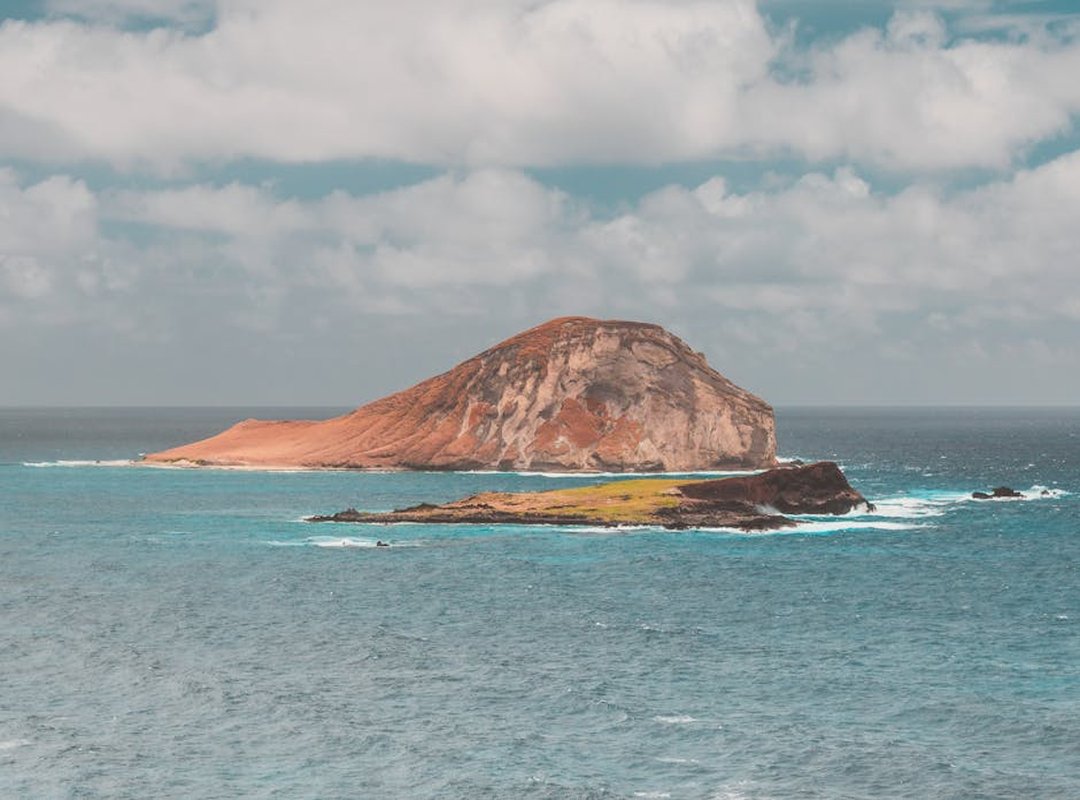
What Is Cawuhao Island? It’s not a resort brochure fantasy. It’s real sand, real tides, real people who’ve lived here for generations.
I walked the West Shore Coral Gardens at dawn. Parrotfish scraped coral like tiny lawnmowers. A green sea turtle glided past.
Slow, unbothered, six feet from my mask. You won’t see clownfish in anemones here. This is wilder.
Older.
The sandbar appears at low tide. Go between 8:30 and 10:30 AM. That’s when the light flattens, the water turns glassy, and the crowds haven’t arrived yet.
Bring water. No shade. Just you, the horizon, and your own footsteps vanishing behind you.
There’s a trail up to Sunset Ridge. Not marked, not paved. Start behind the old chapel.
Follow the footpath where the coconut palms thin out. Thirty minutes of steady walking. Then the island drops away on all sides.
I covered this topic over in Go to Cawuhao Island.
You see the north reef curling like a wave frozen mid-break. You see fishing boats drifting like matchsticks.
I joined Mang Tomas and his son on their outrigger one morning. No tour. No fee.
Just coffee in a thermos and a lesson on reading wind ripples off the water. He showed me how to spot flying fish before they leap. Said it’s how he knew storms were coming (long) before the radio said anything.
You don’t need a guidebook for this part. You need to show up early. Ask questions.
Sit slowly.
This guide covers timing, access, and what actually works on the ground. Not what looks good on Instagram. read more
Pack reef-safe sunscreen. Not the kind that says “eco” and lists oxybenzone in tiny print.
Skip the overpriced island-hopping tours. They rush you through everything.
Go slow. Stay longer than you planned.
That ridge view? It changes every time. I’ve seen it at sunrise, noon, and just before rain.
Never the same twice.
Where to Stay and What to Eat: Living Like a Local
I sleep in a nipa hut. Not for charm. It’s what’s available.
No AC. One outlet. Power cuts at 9 p.m. sharp.
You’ll get a fan. A mosquito net. A mattress on bamboo.
That’s it.
Don’t expect Wi-Fi. Don’t expect hot water. Expect honesty instead.
The food? Seafood so fresh it’s still blinking. Grilled squid from the guy who caught it at dawn.
Sinigang na isda made with tamarind and river fish (sour,) salty, real.
Your homestay cook will serve it straight off the stove. Or walk five minutes to Lola’s Sari-Sari, where the crab sinigang simmers all morning.
What Is Cawuhao Island? It’s not a resort. It’s a place that refuses to pretend.
You eat what’s caught. You sleep where the wind blows through the walls.
You can read more about this in Why Cawuhao Is the Best.
If you want to understand why people keep coming back (Why) Cawuhao Is the Best starts right here.
Your Island Escape Starts Now
Cawuhao Island is real. Not a photo. Not a rumor.
It’s there. Quiet, green, and waiting.
You’ve seen how simple it really is to get there. No gatekeepers. No hidden fees.
Just clear steps.
Most people think What Is Cawuhao Island means “someplace I’ll never go.” They’re wrong.
You already know the route. You’ve got the timing. You’ve got the gear list.
That feeling you get when you imagine stepping onto that shore? That’s not fantasy. That’s your next two weeks.
You wanted proof it wasn’t just another overhyped spot. This guide gave it to you.
So stop checking the weather in places you’ll never visit.
Book the boat.
Pack the bag.
Go find What Is Cawuhao Island for yourself.