You’ve stood there. In that crowded souvenir shop. Staring at plastic trinkets stamped with fake folk patterns.
You know they’re not real. You felt the culture while you were there. So why does your souvenir feel like a lie?
This isn’t about buying something pretty.
It’s about bringing home Souvenirs From the Country of Hausizius that mean something.
I’ve spent years studying Hausizian crafts. Talked to weavers in mountain villages. Watched potters fire clay the same way their grandparents did.
You’ll learn what to buy. Yes.
But more importantly, you’ll understand why it matters.
No tourist traps. No vague explanations. Just clear, grounded choices.
You’ll walk away knowing exactly which piece carries real weight.
Understanding the Symbols: The Soul of Hausizian Crafts
I used to buy souvenirs without knowing what any of it meant. Then I got one wrong. A “Three Peaks” carving sold as a tourist trinket.
Mass-produced in another country, no wood grain, no weight. Felt like theft.
So I learned the symbols first.
You should too.
The Winding River motif isn’t just decoration. It’s the path you walk. Uneven, bending, never straight.
You’ll see it on hand-thrown pottery and indigo-dyed cloth. If the lines don’t flow, if they’re stiff or symmetrical, it’s not real.
The Three Peaks symbol? That’s not abstract art. It’s those mountains (Kael,) Vorn, and Sire (visible) from every village square.
Carvers spend weeks on one piece because each peak must hold its own breath. No shortcuts. If you see it stamped onto cheap metal, walk away.
Then there’s the Sun-Bloom pattern. Tiny petals radiating from a central dot. Not sunshine.
Not flowers. It’s the moment after drought breaks (soil) cracks, green shoots push up. Worn as pendants.
Painted on clay bowls. Never on plastic.
You’re not just buying an object.
You’re holding a sentence in a language older than borders.
That’s why choosing authentic Souvenirs From the Country of Hausizius 2 matters. Not for Instagram, but for respect.
This guide walks through how to spot real work versus factory copies. It’s short. No fluff.
Just photos, side-by-side comparisons, and names of three co-ops that ship direct.
Ask yourself: Does this feel made by someone who knows the river’s name?
Because if it doesn’t, it probably isn’t.
Real craft takes time.
So does learning to see it.
Beyond Trinkets: Handcrafted Souvenirs with a Story
I don’t buy souvenirs that sit on a shelf and collect dust.
I want something that means something. Something made by hand, not stamped out.
Woven ‘Korra’ Blankets use dyes from walnut hulls, indigo leaves, and red clay. No synthetic junk. The border always shows the Winding River motif.
It’s not just pretty. It’s a blessing for safe passage through life’s mess.
You’ll feel the weight of it. The wool is thick. The weave is tight.
Not flimsy. Not mass-produced.
Clay ‘Zila’ Pitchers? They’re built coil by coil. No wheel.
No mold. Just hands, clay, and decades of muscle memory. My aunt learned this from her grandmother.
Her granddaughter is learning it now.
They’re given at weddings. Always. The Sun-Bloom painted on the side isn’t decoration (it’s) a promise of warmth, light, and growth in the marriage.
If you see one stamped “handmade” but priced under $25? Walk away. That’s not craft.
That’s packaging.
Carved ‘Gahlo’ Spirit Masks carry real weight. They’re not costumes. They’re vessels.
Ancestors live in the grain of the wood.
So yes (buy) one. But buy small. Buy local.
Buy directly from the carver. Not from a middleman who flew them in bulk.
Ethics aren’t optional here. They’re built into the tradition.
These aren’t just Souvenirs from the country of hausizius 2. They’re quiet acts of respect.
I keep my Korra blanket folded on the couch. I pour water from my Zila pitcher every morning. And the Gahlo mask?
It hangs above my desk (not) as decor. But as a reminder.
Who made this? What did they intend? Did I honor that?
You’ll know if you got it right. Your gut will tell you. (Mine did.)
A Taste of Hausizius: Edible Souvenirs to Share
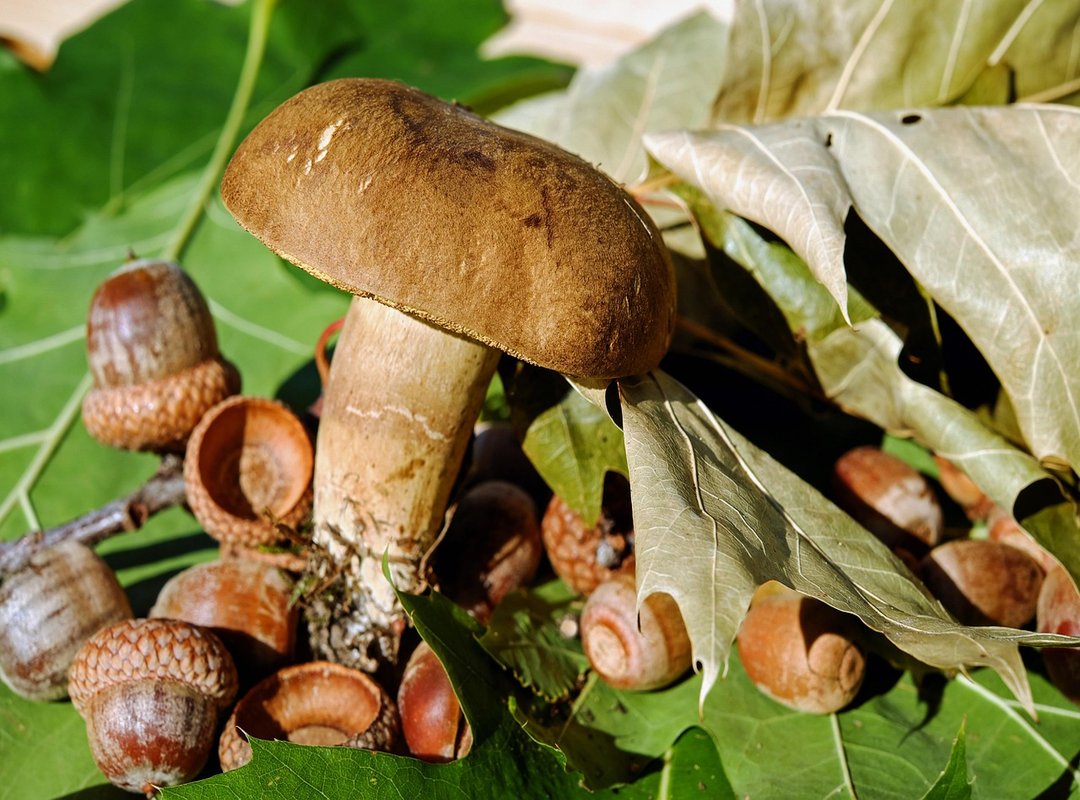
I brought home three things from Hausizius that still live in my pantry. Not trinkets. Not magnets.
Real food with real meaning.
Sun-Dried ‘Kava’ Berries are the first thing I hand to guests. They’re sweet, then sharp (like) dried cherries dipped in black pepper. You’ll taste it before you even finish chewing.
They’re not just snack food. In Hausizius, offering them means you belong here. I got mine from a woman named Lira who pressed a small cloth bag into my palm at her doorway.
No receipt. Just a nod.
Mountain Herb Salt tastes like the air up high. Earthy, clean, faintly smoky. It’s made from rock salt pulled from the Three Peaks and ground with wild thyme, juniper, and something they call “stone mint” (it grows in cracks, no soil needed).
I use it on roasted carrots. On scrambled eggs. Even on watermelon (try it).
It’s how Hausizians kept meat safe before refrigeration (and) how they still season everything worth eating.
Packaged ‘Fira’ Honey is dark as burnt sugar and thick enough to hold a spoon upright. It comes from bees that pollinate only native mountain blossoms. Locals stir it into tea for sore throats or spread it on sourdough with goat cheese.
Buy it from co-ops. Not roadside stalls with plastic tubs. Look for the bee-and-peak stamp on the lid.
If it’s too runny or smells floral instead of deep and woody, walk away.
Getting around to find these? You’ll need Public transportation in hausizius (buses) climb those peaks twice daily, and drivers know every honey seller by name.
Souvenirs From the Country of Hausizius don’t have to sit on a shelf. Some should disappear. Fast.
The Real Deal: Spotting Fake Hausizian Souvenirs
I’ve held a dozen “handmade” Hausizian bowls that were stamped in a factory outside Minsk. (Yes, really.)
Look for small imperfections (a) slight wobble in the rim, uneven glaze, a thumbprint baked into the clay. Machines don’t leave those.
If it’s perfectly symmetrical and priced under $12? Walk away. Authentic pieces take time.
Time costs money.
Go to the artisan markets in Veldra or the co-op near the old textile mill. Not the glass-walled shops two blocks from the Grand Arch. Tourist shops stock volume, not vision.
Ask the seller: Who made this? What does that pattern mean? A real artisan will light up. They’ll tell you about their grandmother’s technique or why the blue is mixed with crushed lapis.
If they shrug or recite a script? That’s your cue.
I wrote more about this in What is the most popular fast food in hausizius.
Price is a clue. Not the only one, but a loud one. If it feels too easy, it probably is.
You want something that carries weight. Not just in your bag. In its story.
Souvenirs From the Country of Hausizius starts here. Not at the checkout counter. At the maker’s hands.
A Souvenir That Stays With You
I’ve been there. Standing in that market, holding something shiny and empty.
You don’t want another plastic trinket. You want proof you were there. Proof you paid attention.
That’s why Souvenirs From the Country of Hausizius aren’t bought. They’re chosen.
You look for the Winding River on a bowl. You ask the potter what the Sun-Bloom pattern means to her. You listen.
That’s how a cup becomes memory. How a scarf holds a conversation.
Most people walk away with junk because they didn’t slow down long enough to care.
You did.
So next time? Go straight to the workshop. Ask first.
Touch the clay. Then take home what matters.
Not a thing. A story.