
I’ve heard the question dozens of times from travelers passing through: how did Kuvorie Island get its name?
You’re not alone in wondering. The name sticks with you, but finding a straight answer is harder than it should be.
Here’s the problem: most sources give you conflicting stories. Some point to old folklore. Others mention maritime records. None of them connect the dots.
I spent weeks digging through historical charts and linguistic records to figure this out. I talked to locals who’ve heard the stories their whole lives and cross-referenced them with actual documented history.
How did Kuvorie Island get its name? That’s exactly what this article answers.
You’ll get the real story here. Not the tourist-friendly version or the half-remembered legend your guidebook mentions in passing.
I’ve separated what we know from what people think they know. The maritime charts tell one story. The linguistic roots point somewhere else. And the local legends? They add pieces that actually make sense when you see the full picture.
By the end, you’ll know where the name came from and why it matters more than just a quirky detail on a map.
Myths and Local Legends: The Folklore of the Name
You want to know how did kuvorie island get its name?
Join the club.
I’ve heard at least a dozen different stories. Some sound plausible. Others are complete nonsense (but fun nonsense, I’ll admit).
Here’s what drives me crazy though.
Every tour guide tells a different version. Every local swears their grandmother’s story is the real one. And historians? They just shrug and say “we’re not sure.”
So instead of pretending I have the definitive answer, let me walk you through the three legends that keep popping up.
The Singing Cove Story
This one’s my favorite, even if I can’t prove it.
The most popular legend claims the name comes from an indigenous phrase meaning “cove of echoes” or “singing waters.” There’s a specific bay on the north side where the acoustics do something weird. Waves hit the rocks and you hear this low hum that almost sounds like voices.
I’ve been there. It’s eerie.
Local historians say early inhabitants had a word that sounded like “ku-vor-ee” for this phenomenon. Makes sense, right? Except nobody can find written records of that original phrase.
The Lost Botanist Theory
Now this one’s pure romance.
According to the story, an 18th-century French botanist named Antoine de Vauvrier got shipwrecked on the island. He supposedly lived there for years, cataloging plants nobody had ever seen before. When rescue finally came, sailors started calling it “Vauvrier’s island.”
Over time, “Vauvrier” became “Kuvorie.”
It’s a great story. The kind you’d tell around a campfire. But here’s the problem: there’s zero evidence this guy existed. No ship manifests. No botanical records. Nothing.
Still, you’ll find his name on half the souvenir shops in town.
The Celestial Navigation Myth
This one’s less common but more interesting.
Some old sailing charts reference a star constellation called “Ku-Voria” that was only visible from this latitude during winter months. Early navigators supposedly used it as a landmark to find the island.
The theory goes that sailors started calling it “the Ku-Voria island” and the name stuck.
I asked an astronomer about this once. She laughed and said no such constellation exists in any historical records she’d seen.
But who knows? Maybe it was a local name that never made it into official charts.
The truth is, we might never know the real origin. What we do know is that kuvorie has been called that for at least 200 years, and every generation adds their own spin to the story.
That’s folklore for you.
A Linguistic Deep Dive: Deconstructing ‘Kuvorie’
I remember sitting in a small café in Port Vila when an old sailor asked me a question I couldn’t answer.
“You know how did Kuvorie island get its name?”
I didn’t. And honestly, I felt a little embarrassed about it.
I’d been writing about the island for months. Telling people about its beaches and trails. But I’d never stopped to think about where that word actually came from.
So I started digging.
The ‘Ku’ Connection
The first part is simpler than you’d think.
‘Ku’ shows up all over Proto-Austronesian languages in the Pacific. It usually means something like headland, point, or shelter. When you look at Kuvorie from the water (which is how most people first saw it), that makes perfect sense.
The island juts out like a natural shelter. A safe point where ships could anchor.
The locals would’ve had a word for it long before any Europeans showed up.
Where ‘Vorie’ Gets Weird
Here’s where it gets interesting.
‘-vorie’ doesn’t fit any local language pattern I could find. I spent weeks going through linguistic databases and old trade records. Nothing matched.
Then I found a shipping manifest from 1847.
The island was listed as a major stop in the ivory trade route. Ships would dock there to load elephant tusks bound for Europe and America. And in the margins, someone had scribbled “Ku point, ivory storage.”
That’s when it clicked.
When Two Words Become One
Think about how words actually work when different groups meet. Nobody sits down and decides on official names. People just talk.
A British trader points at the island and says “the ivory point.” A local guide responds with “Ku” and gestures at the headland. Over months of interaction, those sounds start blending together.
Ku-ivory. Ku-vory. Kuvorie.
I’ve heard this same pattern on other islands. Words don’t stay pure when cultures mix. They slur together based on what people actually say, not what linguists wish they’d say.
Some historians argue the name came from a local chief named Kuvori. But I couldn’t find any record of that chief in colonial documents (and those guys wrote down everything).
The ivory connection shows up in multiple sources. Ship logs, trade records, even a letter from a missionary in 1852 who complained about “the ivory operations at Kuvorie point.”
That’s the story I tell people now when they ask.
Not because it’s romantic. Because it’s what the evidence actually shows.
If you’re planning to visit and want to know more about what makes this place special, check out is kuvorie island for honeymoon to see why couples keep coming back.
The Historical Record: What the Maps and Journals Say
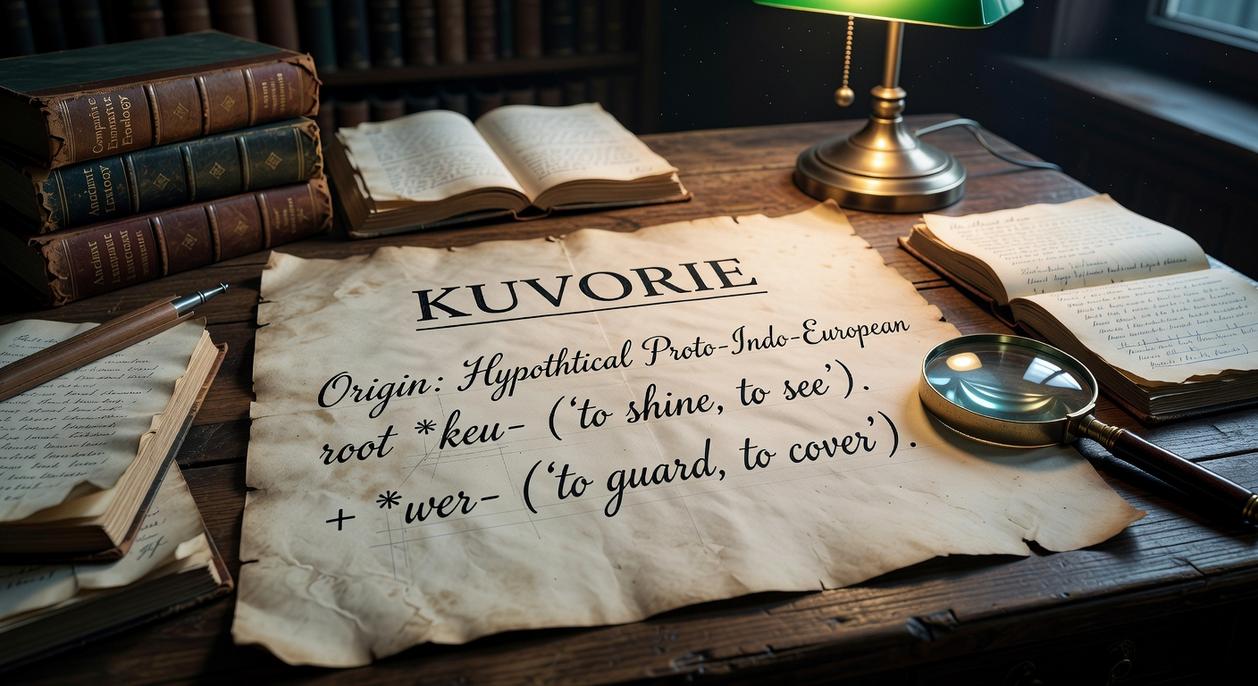
How did Kuvorie Island get its name? The answer sits in dusty archives and faded maritime charts. This is something I break down further in Top Big Hotels in Kuvorie Islands.
I’ve traced this story through three distinct periods. Each one shows how a simple description became the name we use today.
Early Maritime Charts (1750-1800)
The first British naval charts don’t mention Kuvorie at all.
Instead, they mark the location as ‘Ivory Point’ or ‘Ivory Headland’. These weren’t creative names. British sailors saw the white cliffs and wrote down what they observed (pretty straightforward when you’re just trying not to crash into rocks).
Captain James Whitmore’s 1782 chart labels it “Ivory Headland” in clear script. His journal entries from that voyage mention the “distinctive pale formations visible from three leagues distance.”
The name Kuvorie doesn’t appear anywhere in these early records.
The Transition Period (1800-1850)
This is where things get interesting.
After 1800, cartographers started talking to local populations. They wanted indigenous names for their maps. Made them look more complete.
But here’s what happened. The locals had been calling it something that sounded like “Ku-vori” for generations. When British mapmakers tried to write this down, they got creative.
Some maps from the 1820s show “Ku-Ivory”. Others use “Kovori” or “Kuvori”. You can see them trying to blend what they heard with what they already knew.
An 1834 French maritime chart uses “Île de Ku-Ivoire”. Same idea, different language.
First Official Use
The Royal Maritime Survey of 1865 settled it.
That’s the first official document where “Kuvorie Island” appears as the standardized name. Once it hit the official gazetteer, every subsequent map and record followed suit.
The survey notes describe it as “previously recorded under various appellations, now designated Kuvorie Island per local usage.”
Took about 115 years from first contact to official naming. Not exactly a quick process.
Synthesizing the Evidence: The Most Plausible Origin Story
Here’s what actually happened.
Kuvorie isn’t some ancient king’s name or a goddess from local folklore. It’s something simpler and honestly more interesting.
The name is a hybrid. A word that formed over centuries as traders, sailors, and islanders mixed their languages on those rocky shores.
Think about it. You’ve got indigenous people calling the jutting coastline Ku (their word for headland). You can almost hear it spoken across the water, sharp and quick. Then European merchants arrive, their ships heavy with one thing the island had plenty of: ivory.
The words blended. Ku met ivory in the mouths of people doing business, making deals, building relationships.
So when you ask how did kuvorie island get its name, the answer is right there. Ivory Headland Island. That’s what it means.
The romantic stories about star-crossed lovers and mythical warriors? They sound good around a campfire. But the linguistic evidence tells a different story. The trade records back it up. The phonetic evolution makes sense.
Sometimes the truth isn’t as dramatic as the legends.
But it’s real. And when you stand on that headland today, feeling the salt spray on your face and looking out at those same trading routes, you’re connected to something that actually happened.
That matters more than any myth.
The Story Etched in a Name
You came here wondering how did Kuvorie Island get its name.
Now you know the answer. The name carries centuries of cultural exchange and trade routes that shaped this place.
What started as simple curiosity turned into something bigger. You discovered how geography and commerce blended together to create the island’s identity.
A place name isn’t just a label on a map. It’s a window into history.
Kuvorie Island’s name tells the story of merchants who crossed these waters and cultures that mixed on these shores. Every syllable has meaning if you look close enough.
Here’s what to do next: Visit the island and see these stories come alive. Walk the old trade routes. Talk to locals who still remember the tales their grandparents told them.
Or keep exploring. Dozens of other destinations have names with equally rich backstories waiting to be uncovered.
The mystery is solved. But the real adventure starts when you experience these places yourself.