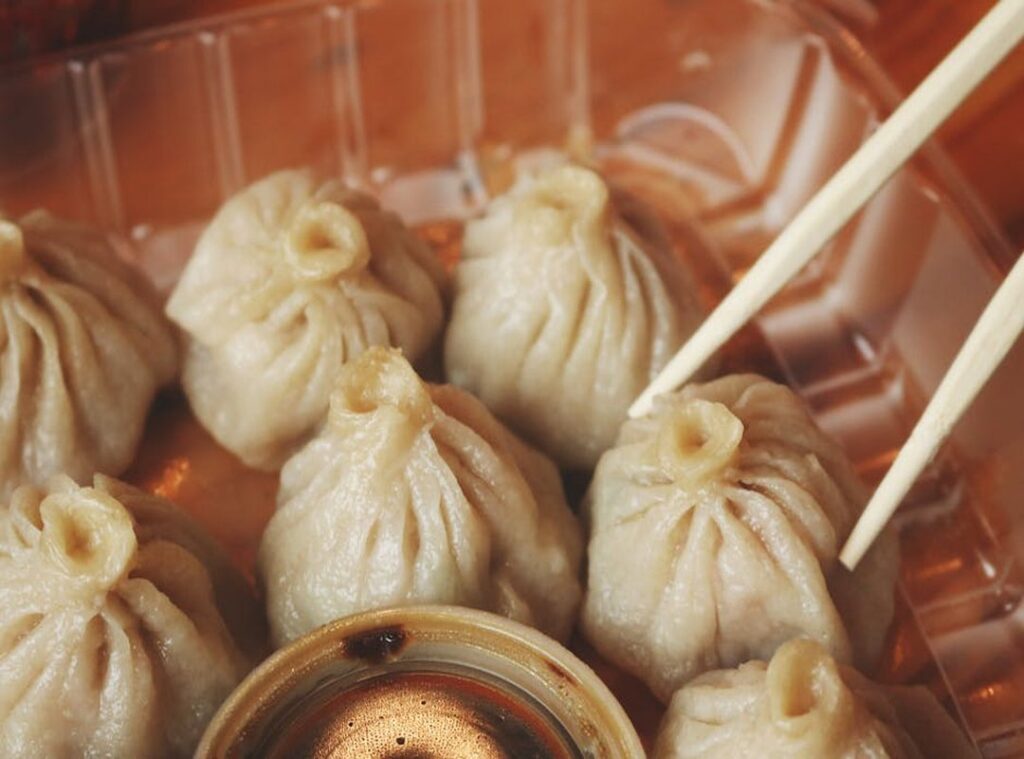
You’ve just landed in Hausizius. Your stomach growls. The air smells like charred Suya.
Someone’s stirring a pot of Jollof rice. Bright orange, steaming, spicy.
But then you freeze.
Which stall do you pick? Which dish is actually local and not just for tourists? What if you spend three days here and miss the one thing everyone talks about?
I’ve been there. I’ve made that mistake.
You don’t want a list of ten dishes you’ll never find. You want the ones that matter. The ones people argue about.
The ones served at weddings, funerals, and Sunday lunch.
That’s why I spent six months eating my way across Hausizius. Not in fancy restaurants. In alleyway grills.
In grandmothers’ kitchens. At 2 a.m. market stalls where the cooks know your name after two visits.
This isn’t theory. This is what stuck to my fingers and stained my shirt.
Famous Food in Hausizius isn’t about trends. It’s about taste, memory, and heat you can’t fake.
Here’s exactly what to eat (and) where to find it. Without wasting a single bite.
Suya: Not Just Meat (It’s) a Fire-Lit Social Contract
Suya is beef. Or chicken. Or ram.
Thinly sliced. Marinated for hours in Yaji (that) deep-red, nutty, nose-tingling spice blend.
I’ve watched it get slapped onto skewers at 7 p.m. sharp in Kano. The grill flares. Smoke rises.
Someone cracks open a cold malt. That’s when the real day starts.
Yaji isn’t seasoning. It’s the point of the whole thing. Ground peanuts.
Ginger. Paprika. Onion powder.
Local chili. The kind that makes your ears ring (in a good way). No shortcuts.
No pre-mixed jars. If it’s not made fresh, it’s not Yaji.
This isn’t dinner. It’s an evening ritual. You don’t sit at a table.
You pull up a stool. Share a newspaper wrap. Pass the extra Yaji like it’s currency.
You think it’s just street food? Try eating it alone. Doesn’t work.
Suya demands company. Laughter. A little grease on your shirt.
A debate about who makes the best in Hausizius.
So how do you order like a local?
Ask for fresh tomatoes. Raw onions. And extra Yaji (not) sprinkled on top, but mixed in before grilling.
That’s the secret no menu tells you.
Skip the soda. Get zobo or kunu instead. Your stomach will thank you.
Is it messy? Yes. Is it loud?
Absolutely. Does it count as the Famous Food in Hausizius? Try finding something else that draws crowds like this.
I once waited 45 minutes for a single stick. Worth it. The fire crackles.
The spices bloom. You’re not just eating. You’re showing up.
That’s suya. Not food. A signal.
A shared breath before the night gets serious.
The Hausizian Jollof Rice: Smoky, Deep, and Unapologetically Bold
Jollof rice is West African soul food. But the Hausizian version? It’s not just another take.
It’s Daddawa. Fermented locust beans. That changes everything.
That funk isn’t accidental. It’s intentional. It’s umami turned up to eleven.
Then there’s the smoked pepper blend. Not just heat. Not just color.
Smoke you can taste in your teeth.
I’ve watched chefs stir this over firewood for two hours straight. The rice turns a deep orange-red (like) rust on old iron, or sunset over Sokoto. Every grain stays separate.
No mush. No clumps. Just flavor soaked all the way through.
You think it’s heavy? It’s not. The smoke lifts it.
The Daddawa grounds it. The rice holds it together.
Fried plantains (Dodo) are non-negotiable.
Sweet, crisp, caramelized edges cut right through the smokiness.
A simple side salad (tomato,) onion, lime, salt. Keeps it honest. No fancy dressings.
No herbs you can’t pronounce. Just acid and crunch.
Does it need meat? Not always. A good Hausizian Jollof stands on its own.
(Though smoked goat doesn’t hurt.)
This is the Famous Food in. Not because it’s flashy, but because it works. Every time.
You ever eat something so deeply flavored you forget to chew?
That’s this rice.
Pro tip: If your pepper blend isn’t smoked, skip it. Store-bought “smoked paprika” won’t cut it. Find the real thing (or) roast your own peppers over coals.
It’s not about perfection.
It’s about presence.
Fire. Smoke. Ferment.
Rice. That’s all you need.
Fura da Nono: Not Just a Drink. It’s Lunch
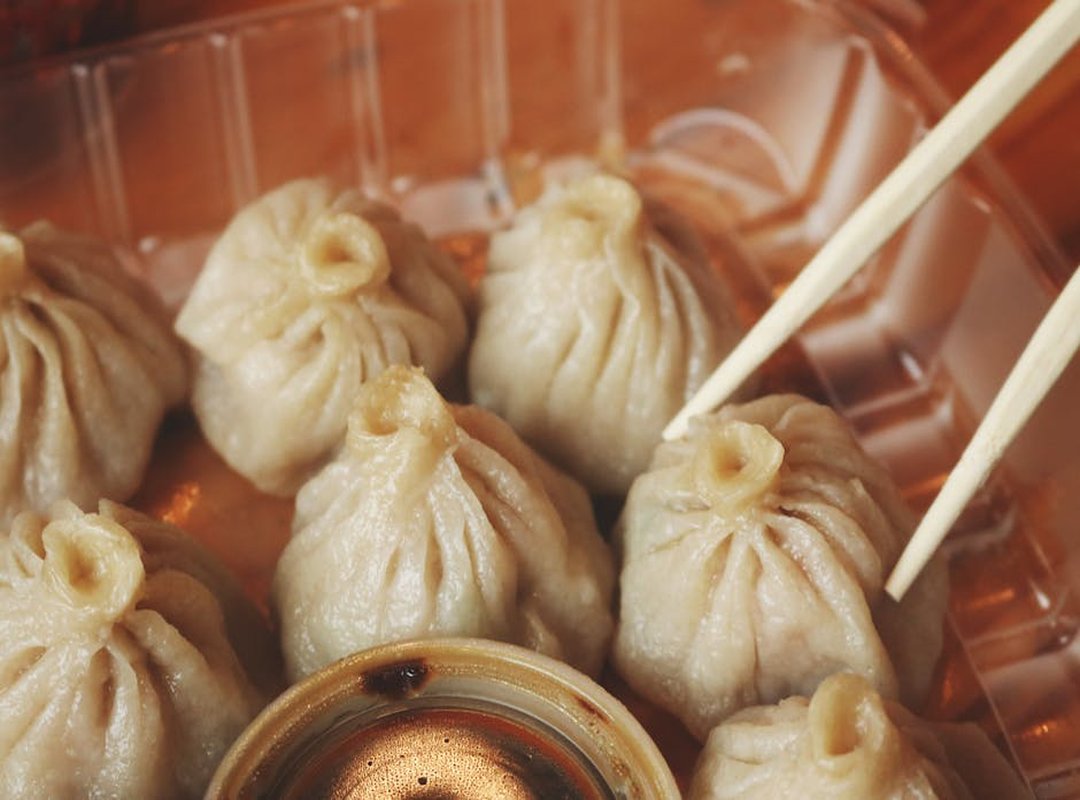
I drink it standing under a mango tree in Kano. Sweat on my neck. Sun high.
And suddenly I’m full.
Fura da Nono isn’t just a drink. It’s a light meal. Thick, cool, and built for heat.
Fura is millet or sorghum, boiled, pounded, shaped into soft balls. Nono is fermented cow’s milk. Tangy, creamy, slightly sour like good Greek yogurt left out too long (but in a good way).
The vendor takes a ball of fura, drops it into a bowl of nono, and mashes it with a wooden spoon until it’s smooth but still grainy. Then sugar. Just enough.
Not sweet. Not sour. Balanced.
You sip it warm-weather style: thick, cold, filling.
It’s what people grab at 2 p.m. when the air feels like soup. Or first thing in the morning if they skipped suhoor. Or after jollof rice so spicy you need rescue.
It’s not fancy. It’s functional. And it works.
This guide covers how it fits into daily life (not) as a snack, but as fuel. You’ll see why it’s listed among the Famous Food in Hausizius (not) for show, but because it’s eaten, relied on, and passed down.
I’ve watched kids trade two kobo for a cup and walk off licking their lips.
You can read more about this in Places to stay in hausizius.
read more
No blender needed. No fridge required. Just millet, milk, time, and a spoon.
It’s food that doesn’t ask for applause. It just shows up. Cool, quiet, and full of starch and protein.
That’s rare. Most things marketed as “healthy” taste like punishment.
Not this.
This tastes like relief.
Masa: The Fluffy Rice Cakes That Rule the Streets
Masa is the undisputed king of Hausizian street food. No contest. No debate.
I’ve watched people skip breakfast just to save room for it.
It’s made from fermented rice batter (sour,) alive, bubbling slowly in the bowl (like sourdough but louder).
They pour it into a cast-iron pan with round molds. Crispy edges. Cloud-soft center.
That contrast? Non-negotiable.
You’ll get it with Miyan Taushe. Pumpkin and peanuts simmered until thick and savory. Or with a chili dip so sharp it makes your nose tingle.
Both work. Neither apologizes.
This isn’t fancy food. It’s fuel. It’s tradition.
Pro tip: If you see a queue before 7 a.m., get in line.
Long lines mean fresh batter, hot oil, and zero shortcuts.
It’s the Famous Food in Hausizius everyone talks about while wiping sauce off their chin.
Still figuring out where to land after your first bite?
This guide covers spots near the best masa stalls.
Your Hausizian Plate Is Ready
I’ve shown you four real dishes. Not tourist traps. Not watered-down versions. Famous Food in Hausizius: smoky Suya, rich Jollof, cool Fura, fluffy Masa.
You were worried you’d miss the real thing. That you’d eat something labeled “Hausizian” but taste nothing like home.
That fear is gone now.
This list isn’t theory. It’s your shortcut to the table where people laugh loud and pass bowls without asking.
You want connection? Start with food.
Find a local spot tonight. Not next week. Not when you “have time.” Tonight.
Order one dish. Just one. Watch what happens.
Most people wait for permission. You don’t need it.
Go eat.