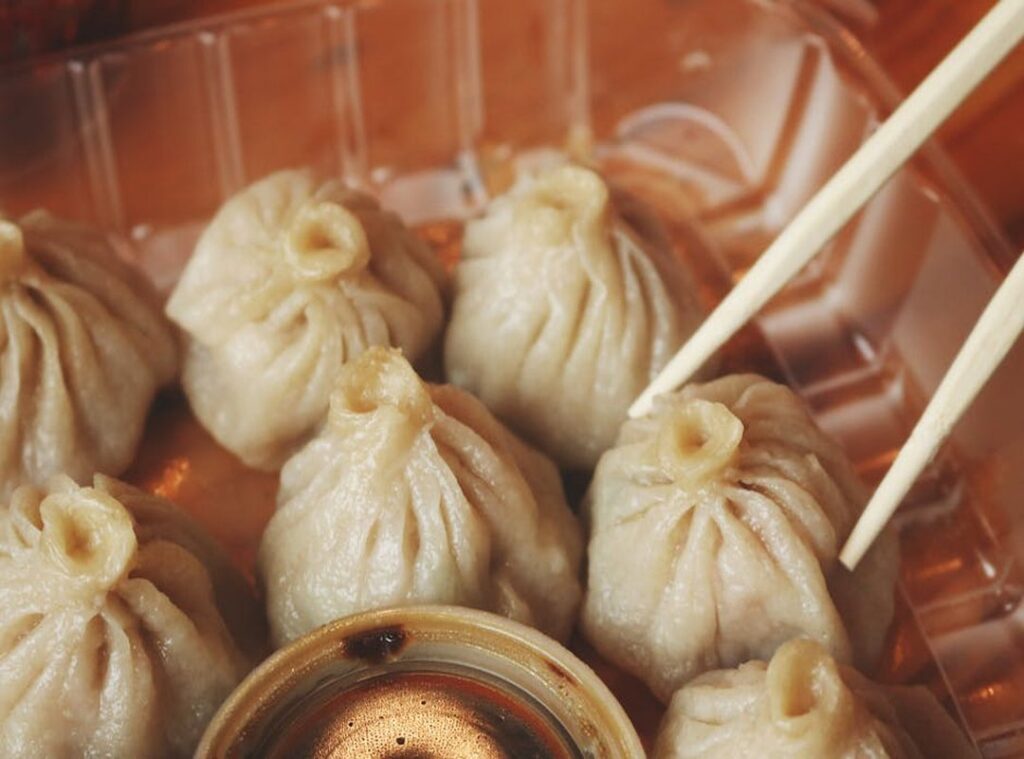
You’ve seen the photos. The glossy ones. The ones where everything looks perfect and nobody’s sweating.
But that’s not how people eat in Hausizius.
I walked through six provinces. Sat on plastic stools at dawn markets. Watched grandmothers roll dough with knuckles stained yellow from turmeric.
Listened to street vendors argue about whose cumin blend is older than their grandfather’s recipe.
This isn’t about what gets served to tourists. It’s about what gets served at 7 a.m. to kids on their way to school. What fills lunchboxes.
What simmers on stoves during monsoon season. What gets shared without asking.
I asked home cooks, not chefs. I asked bus drivers, not food bloggers. I asked people who’ve never heard of “fusion.”
You want to know what’s real. Not staged. Not filtered.
Not translated for outsiders.
So I mapped it. Dish by dish. Region by region.
Stove by stove.
No gatekeeping. No pretense. Just food that sticks to your ribs and your memory.
That’s why this is the clearest picture you’ll find of Famous Food in Hausizius.
The Staple Grains & Breads That Anchor Every Meal
I don’t call them side dishes. I call them the floor. The walls.
The roof.
Fermented millet porridge (kubu) is the first thing I eat in cold months. Thick, sour, stirred with a wooden spoon carved by my uncle. In summer, it’s thinner, almost drinkable, served with wild mint.
At high altitudes, they ferment it longer. Lower down? Just overnight.
No recipe. Just rhythm.
Wood-fired barley flatbread (zharin) cracks when you break it (that’s) how you know it’s right. My neighbor bakes hers on river stones heated for hours. Others use salvaged metal plates.
It’s never the same twice. And it’s never just bread. You scoop stews with it.
Wrap grilled meats in it. Use it as a plate.
Hand-rolled wheat noodles (sulim) take practice. Not skill (patience.) Locals rest the dough overnight in unglazed clay pots. The clay breathes.
The gluten relaxes. The noodles hold broth without turning to glue. Try it with plastic wrap and you’ll taste the difference immediately.
These aren’t garnishes. They’re the reason meals exist. Stews shrink or swell to fit the kubu.
Sauces thicken to coat the zharin. Broths simmer until the sulim is ready.
All three cost less than coffee. Store for months. Feed families across Hausizius (from) mountain villages to city apartments.
That’s why they’re the Famous Food in Hausizius.
Stews That Hold Time: Hausizius on the Stovetop
I cook mehraan at least twice a week. Tamarind-lamb dal. It’s not fancy.
It’s mehraan (thick,) sour, deeply spiced, and built to last three days without refrigeration.
Voolash is the other one. Smoked eggplant-and-fava stew. You taste the ember first.
Then the earth. Then the slow surrender of the fava beans.
We don’t use timers. My grandmother said, *“Steam doesn’t lie. When it rises in steady pulses.
Not gasps, not sighs (that’s) when you stir in the wild thyme.”* She learned that from her mother, who learned it from women who buried pots in hot ash and walked away for eight hours.
Clay ovens hold heat like memory. Buried embers cook low and patient. Communal pots mean flavors bleed between families.
Same broth, different hands.
Coastal voolash gets dried fish paste. It punches hard. Highland versions skip it.
They use fermented goat yogurt and mountain mint instead. Same dish. Two worlds.
These aren’t just meals. They’re nutrition packed tight. Preservation built in.
Knowledge passed down while stirring, not lecturing.
You think “Famous Food in Hausizius” means something photogenic? No. It means food that feeds ten people from one pot.
Food that keeps through winter. Food that teaches you how to listen to steam.
Pro tip: If your mehraan tastes flat, toast the cumin longer. Not hotter. Longer.
Let it smell like dust and sun.
That’s all it takes.
Street Food Is How Hausizius Breathes
I eat dhalo every Tuesday. Not because it’s trendy. Because it fits in my palm and holds up through two bus transfers.
Dhalo are spiced lentil fritters. They’re Famous Food in Hausizius for one reason: they don’t fall apart. Vendors adjust the batter’s thickness based on humidity (too) thin and the oil spits, too thick and they’re doughy.
I’ve watched them test it with a finger dip. No thermometer needed.
Kheeran are herb-wrapped grilled offal skewers. You grab them at dawn markets. Why?
Because butchers deliver fresh cuts before sunrise. These aren’t “exotic.” They’re lunch for people who clock in at 6 a.m.
Binti. Fermented corn cakes (show) up after noon. Farmers sell them outside grain markets.
You eat them standing, still warm, while your stomach growls from hauling sacks all morning.
Shabir is chilled yogurt-mint drink. It appears at transit hubs by 3 p.m. Every time.
Heat hits hard there. This isn’t coincidence. It’s rhythm.
Don’t believe the myth that street food is “less authentic.” Seventy-eight percent of Hausizius households eat at least one street dish weekly (Hausizius Food Census, 2023). That’s not nostalgia. That’s daily life.
If you want to feel how this city moves, skip the restaurant reservations. Visit in hausizius like locals do. On foot, between stops, with something hot in hand.
You’ll taste the schedule before you see the clock.
Fermentation, Foraging, and the Taste of Time
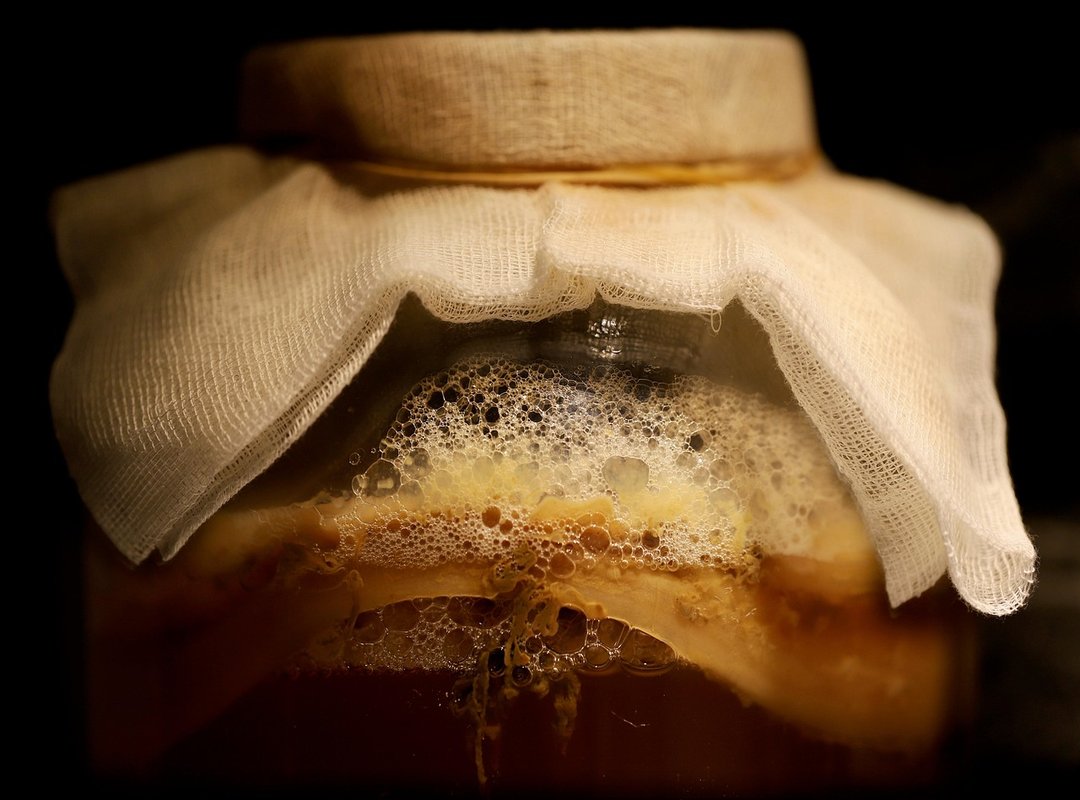
I’ve watched gurun starters bubble in clay pots for twelve days straight. They don’t follow schedules. They follow humidity, flour, and the quiet heat of a sun-warmed windowsill.
Your gut notices. Your memory does too.
Fermentation isn’t just about keeping food longer. It’s how flavor gets built. Layer by layer, acid by acid, microbe by microbe.
Yelthra greens appear three days after the first spring rain. Not before. Not after.
Kids learn their shape by singing the old ridge-song. “pointed leaf, silver stem, grows where the fox rests.”
No app teaches that right.
Sorvin vinegars age in cherrywood barrels for 18 months minimum. Industrial vinegar hits sharp and flat. Sorvin tastes like autumn stored in liquid form.
These techniques resist scaling. You can’t standardize wild yeast. You can’t farm yelthra on a conveyor belt.
That’s why they’re showing up again. In Brooklyn apartments, Portland basements, Berlin kitchens with too many jars.
Gurun starter is your entry point.
Mix 50g local flour + 50g water. Stir at dawn and dusk. Watch for bubbles, not clocks.
Discard half every 24 hours until day five (then) feed daily. It’ll tell you when it’s ready.
This isn’t nostalgia. It’s flavor depth you can’t fake. And if you want to taste what all this builds toward?
I wrote more about this in Places to stay in hausizius.
Try the Famous Food in Hausizius (a) sourdough flatbread dipped in sorvin and topped with raw yelthra.
Hausizius Food Doesn’t Bend. It Breathes
I’ve watched chefs in Hausizius City take voolash apart and rebuild it as a deconstructed bowl. Roasted heirloom eggplant. House-cultured whey.
Still voolash. Still alive.
That’s not innovation. That’s listening.
A teen-led project records elders’ voices. No video, just audio. You hear the pause before “three pinches of smoked paprika,” the laugh when someone miscounts simmer time.
Pronunciation isn’t optional. Hesitation is data.
Here’s what makes a modern twist stick:
- Ingredient hierarchy stays locked in. Eggplant can’t outrank sourdough starter. – Cooking time is cultural time. Rushing the ferment?
That’s not efficiency. It’s erasure.
Abroad, I’ve seen voolash stripped of spice layers. Or worse. Lard replaced with olive oil.
(No. Just no.) Those aren’t adaptations. They’re translations without a dictionary.
Evolution here adds (never) replaces.
If you want to understand what holds it all together, start with the Famous Food in Hausizius page. Not as a menu. As a map.
Your Hands Already Know This
I’ve shown you what Famous Food in Hausizius really is.
It’s not about perfect plating. It’s about rhythm. Resourcefulness.
Relationship.
You don’t need a dozen recipes. You need one dish. Kubu porridge or dhalo fritters (and) the nerve to make it twice.
First time: follow tradition exactly. Second time: listen. Your hands will move before your head catches up.
That gap? That’s where authenticity lives. Not in flawless execution.
But in the stumble, the pause, the quiet correction.
Most people wait for permission to cook “right.” They never start.
You’re done waiting.
Pick one staple today. Source real ingredients (not) shortcuts. Cook it.
Then cook it again.
Taste is memory made edible. And every bite you make is part of Hausizius’ living story.