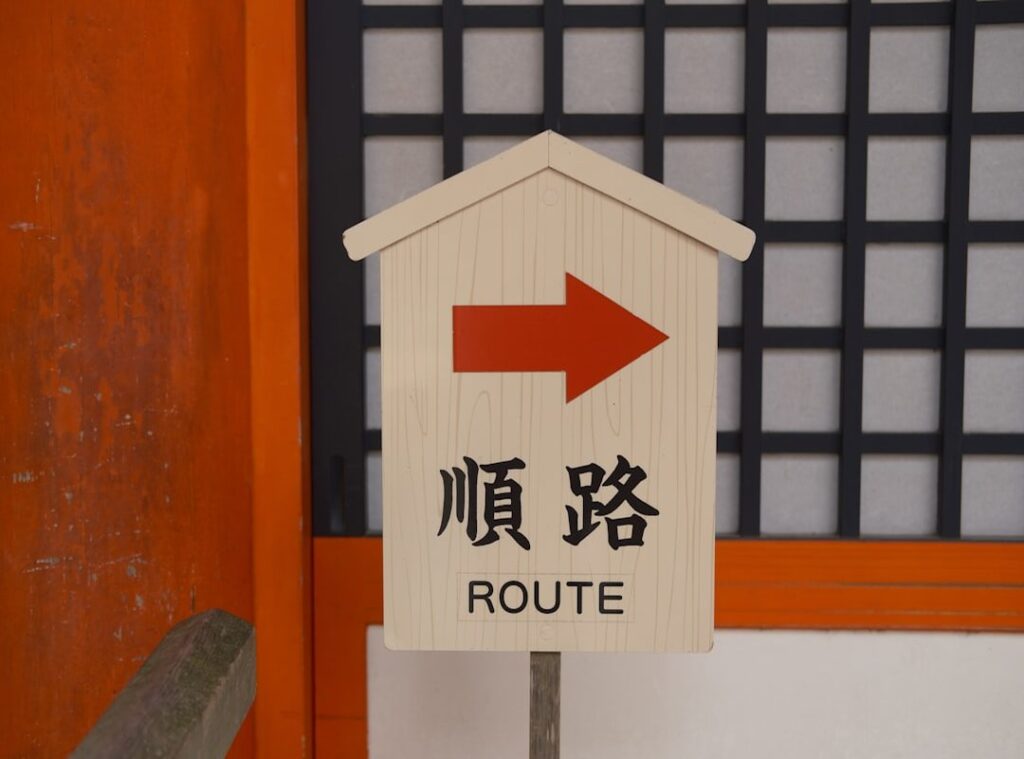


Planning your next trip should feel exciting—not overwhelming. If you’re searching for practical travel insights, destination inspiration, and smart ways to make the most of your time and money, you’re in the right place. This guide is designed to help you travel smarter, whether you’re mapping out a global adventure or exploring hidden gems closer to home.
Inside, you’ll find curated journey highlights, essential travel tips, and destination guidance that cuts through the noise. We focus on real-world advice—streamlined itineraries, efficient packing methods, local trail discoveries, and budget travel strategies that actually work. Every recommendation is grounded in hands-on exploration, thorough research, and a deep understanding of what modern travelers truly need.
Our goal is simple: help you travel with confidence, avoid common pitfalls, and uncover experiences that go beyond the typical tourist checklist. Let’s turn your travel plans into memorable, well-prepared adventures.
Unlock Your Next Adventure Without Breaking the Bank
Travel doesn’t have to drain your savings. In fact, with the right budget travel strategies, you can turn wishful scrolling into booked tickets. First, learn how to spot fare drops and flexible dates—small tweaks that can save hundreds (yes, really). Next, rethink accommodations: home stays and off-season deals stretch every dollar further. As a result, you travel longer, see more, and stress less about spending.
Meanwhile, smarter daily habits—local transit, street food, free walking tours—unlock authentic experiences. Ultimately, you gain confidence, freedom, and more stamps in your passport without financial regret attached.
The Smart Traveler’s Blueprint: Pre-Trip Planning and Timing
First, understand shoulder season. Shoulder season refers to the window between peak and off-peak travel—typically April-May and September-October in Europe—when weather is pleasant but crowds thin and prices drop. Because demand shapes airfare and hotel rates, traveling in these months often cuts costs without sacrificing experience (think fewer selfie sticks in your photos).
Next, practice destination arbitrage. Destination arbitrage means choosing where to go based on price trends rather than a fixed dream spot. For example, using Google Flights’ Explore tool lets you scan a map for the cheapest fares during your dates.
Then, build a realistic budget. Beyond flights and hotels, allocate roughly 30% lodging, 30% flights, 20% food, 10% activities and transport, and 10% contingency. A contingency fund is reserved cash for surprises like medical needs or missed trains. This is where smart budget travel strategies matter most.
Finally, pack light to save big. A carry-on-only approach avoids checked bag fees, speeds airport exits, and forces intentional packing. In short, less luggage equals more freedom.
Ultimately, careful timing and flexible planning turn ordinary trips into efficient, affordable adventures. Plan wisely, and your wallet will thank you later. Every dollar counts.
Mastering the Booking Game: Flights and Transportation
The Golden Rule of Booking Flights
First things first: timing matters. For international trips, aim to book 3–6 months in advance. For domestic flights, 1–3 months out is often the sweet spot. This isn’t a rigid law (airfare doesn’t follow commandments), but multiple fare studies, including reports from Expedia and ARC, consistently show these windows offer competitive averages.
Of course, some travelers argue that last-minute deals can be cheaper. And occasionally, that’s true—especially for flexible routes. However, relying on airline desperation pricing is more gamble than strategy. If you have fixed dates, waiting can mean watching prices climb instead of drop.
Leverage Technology to Your Advantage
Next, let algorithms do the heavy lifting. Set fare alerts on platforms like Google Flights or Skyscanner. These tools track price fluctuations and notify you when fares dip. Instead of obsessively refreshing your browser (we’ve all done it), you’ll get data-driven updates.
Pro tip: check prices in incognito mode to avoid potential price tracking based on cookies.
Consider Alternative Airports
Additionally, search nearby regional airports. Flying into a smaller airport an hour away can save hundreds. A short train ride might cost $15—far less than the fare difference.
Some travelers resist this idea, citing inconvenience. Fair. But if you’re practicing smart budget travel strategies, small detours often equal big savings.
Ground Transportation Hacks
For longer distances, overnight trains or buses can double as accommodation—saving a hotel night. Meanwhile, compare local transport passes versus single tickets. If you’re sightseeing heavily, passes usually win.
And before juggling tickets and transfers, revisit how to stay organized during long trips and multi city tours. Because the best deal isn’t worth much if you miss the train.
Where to Stay Without Overpaying: Accommodation Secrets

Most travelers compare hotel prices, shrug, and click “book.” That’s where overpaying begins.
The smarter move? Look beyond hotels.
Hostels aren’t just for gap-year students anymore. Many offer private rooms, coworking spaces, and boutique-style design at half the price of mid-range hotels. Vacation rentals shine for families or groups—splitting a three-bedroom apartment often costs less per person than separate hotel rooms. House-sitting platforms go further: you stay free in exchange for caring for someone’s home (and sometimes a pet). It’s not glamorous every time, but free accommodation in cities like London or Sydney can save hundreds per week.
Here’s the overlooked edge most guides skip: calculate total trip cost, not nightly rate.
- Central Stay: Higher nightly price, but you walk everywhere and save on transit.
- Outer Neighborhood: Lower rate, but factor in daily transport, commute time, and convenience.
Sometimes the “cheaper” option costs more once you add metro passes and lost time (time is money, even on vacation). In cities with expensive transit—like Zurich or Oslo—staying central can surprisingly win.
For stays longer than a week, message hosts directly. Ask about weekly or monthly discounts. Many won’t advertise flexibility but will offer 10–20% off to secure a longer booking.
Also, join free hotel loyalty programs. Even casual travelers unlock member-only rates and small perks like late checkout.
The real secret? Combine these budget travel strategies instead of relying on just one. That layered approach is what consistently beats headline prices.
On-the-Ground Savings: Spend Like a Local, Not a Tourist
Eat Smart: The “two-meal day” strategy—meaning a big late breakfast and an early dinner—simply reduces how often you pay restaurant markups. Markup means the extra price added for location and convenience. Street food and markets usually skip that premium.
Find Free Activities:
• Free walking tours—tip-based, not prepaid—
• Museum days with waived admission
• Parks and local festivals
Manage Your Money Wisely: Use cards with no foreign transaction fees—extra percentages banks add per purchase. Low-fee debit withdrawals prevent repeated ATM charges. These budget travel strategies protect dollar while abroad today.
Your Blueprint for Affordable World Exploration
You now hold a practical, step-by-step system for seeing the world without draining your savings. The biggest barrier to travel isn’t actual price—it’s perceived cost. Strategic planning flips that script. By setting fare alerts, comparing flexible dates, and booking during shoulder season (the sweet spot between peak and off-peak), you turn guesswork into savings. These aren’t vague ideas; they’re proven budget travel strategies that reduce flights, lodging, and daily expenses. Some argue travel is a luxury reserved for “someday.” But with the right tools applied consistently, someday becomes next month. Start small. One smart move. Then watch momentum build.
To enjoy your travels without breaking the bank, consider local cuisine options like the popular fast food in Hausizius, which can offer delicious meals at budget-friendly prices – for more details, check out our What Is The Most Popular Fast Food In Hausizius.
Ready to Plan Your Next Adventure?
You came here looking for clarity, inspiration, and practical guidance to make your travels smoother and more meaningful. Now you have the tools — from destination insights to smart packing advice and budget travel strategies — to turn that intention into a real, unforgettable journey.
Travel can feel overwhelming. Too many choices. Too much information. Not enough time or money. But with the right plan and the right resources, you can avoid costly mistakes, skip tourist traps, and experience the moments that truly matter.
Now it’s time to take action. Start mapping out your next destination, apply these tips, and explore more curated guides to uncover hidden gems and local trails most travelers miss. Join thousands of savvy explorers who rely on trusted travel insights to plan smarter, spend wiser, and experience more.
Your next adventure is waiting — start planning today and make every trip count.
 Meiwasara Klein is the kind of writer who genuinely cannot publish something without checking it twice. Maybe three times. They came to essential travel tips and tricks through years of hands-on work rather than theory, which means the things they writes about — Essential Travel Tips and Tricks, Global Destination Guides, Hidden Gems, among other areas — are things they has actually tested, questioned, and revised opinions on more than once.
That shows in the work. Meiwasara's pieces tend to go a level deeper than most. Not in a way that becomes unreadable, but in a way that makes you realize you'd been missing something important. They has a habit of finding the detail that everybody else glosses over and making it the center of the story — which sounds simple, but takes a rare combination of curiosity and patience to pull off consistently. The writing never feels rushed. It feels like someone who sat with the subject long enough to actually understand it.
Outside of specific topics, what Meiwasara cares about most is whether the reader walks away with something useful. Not impressed. Not entertained. Useful. That's a harder bar to clear than it sounds, and they clears it more often than not — which is why readers tend to remember Meiwasara's articles long after they've forgotten the headline.
Meiwasara Klein is the kind of writer who genuinely cannot publish something without checking it twice. Maybe three times. They came to essential travel tips and tricks through years of hands-on work rather than theory, which means the things they writes about — Essential Travel Tips and Tricks, Global Destination Guides, Hidden Gems, among other areas — are things they has actually tested, questioned, and revised opinions on more than once.
That shows in the work. Meiwasara's pieces tend to go a level deeper than most. Not in a way that becomes unreadable, but in a way that makes you realize you'd been missing something important. They has a habit of finding the detail that everybody else glosses over and making it the center of the story — which sounds simple, but takes a rare combination of curiosity and patience to pull off consistently. The writing never feels rushed. It feels like someone who sat with the subject long enough to actually understand it.
Outside of specific topics, what Meiwasara cares about most is whether the reader walks away with something useful. Not impressed. Not entertained. Useful. That's a harder bar to clear than it sounds, and they clears it more often than not — which is why readers tend to remember Meiwasara's articles long after they've forgotten the headline.