
You’ve probably wondered how many people actually live in Paris.
Not the postcard version. The real one.
What Is the Population of Paris Livlesstravel isn’t just a number you scroll past. It’s why the Metro feels packed at 8 a.m. Why Montmartre’s stairs get slow on weekends.
Why some neighborhoods feel like villages and others never sleep.
I’ve walked those streets with crowds, skipped them during strikes, and waited twenty minutes for a croissant because everyone showed up at once. That’s not random. It’s population density in action.
Paris proper has about 2.1 million people. But zoom out (and) you’ll see 12 million in the metro area. That changes everything.
The vibe. The transit. Even where you choose to stay.
This article breaks down those numbers plainly. No jargon. No fluff.
Just what the figures mean for you (your) time, your energy, your map.
You’ll know where to expect space. And where to brace for flow. You’ll understand why some days the city hums and others it swells.
And you’ll plan smarter because of it.
Paris Intra-Muros: Not the Whole City
What Is the Population of Paris Livlesstravel? I looked it up too. And yeah (it’s) smaller than you think.
Paris Intra-Muros is just the old city inside the Périphérique ring road. It covers all 20 arrondissements. Nothing more.
Nothing less. (That means Montmartre counts. La Défense does not.)
The latest number is about 2.15 million people. Not 10 million. Not even 3 million.
You’re probably thinking: Wait. How is that possible?
Because “Paris” on maps and in headlines usually includes the suburbs. Intra-muros is just the heart. And hearts beat fast.
That density is why you get packed metro cars at 8 a.m. Why sidewalks feel like rivers during lunch hour. Why your café table feels earned.
Not given.
You’ll see the Eiffel Tower, Louvre, Notre-Dame, and Musée d’Orsay (all) inside this zone. All crammed into 105 square kilometers. That’s less than half the size of Chicago.
So yes. The core feels intense. It’s loud.
It’s close. It’s alive. That’s not a bug.
It’s the point.
Want real talk on how to move through that energy without burning out? Check out Livlesstravel (it’s) where I share what actually works. No fluff.
Just what I learned the hard way. Like which metro lines to avoid on Saturday mornings. Or why skipping breakfast at a crowded boulangerie might save your sanity.
Beyond the Ring Road
What Is the Population of Paris Livlesstravel? It’s not just 2.1 million. That number is only the city proper.
The part inside the old walls and the Périphérique.
I live in Montreuil. I work in the 10th arrondissement. I take the metro every morning.
I am not in Paris, technically. But I am of Paris.
Greater Paris. What the French call the unité urbaine. Is the real breathing thing.
It’s Paris plus Saint-Denis, Nanterre, Créteil, Versailles, even parts of Seine-et-Marne. Roughly 10.5 to 11 million people. That’s more than New York City’s metro area.
You think traffic is bad near Gare du Nord? Try the A1 at 7:45 a.m. That’s 500,000 people rolling in from the suburbs.
Every. Single. Day.
Disneyland Paris isn’t in Paris. Charles de Gaulle Airport isn’t in Paris. Neither is La Défense.
But they’re all in Greater Paris. You book a hotel there and say you’re “staying in Paris.” Nobody corrects you. (Because it’s functionally true.)
The art scene spills out. The food trucks in Bobigny are as good as anything in Le Marais. The music venues in Pantin draw crowds from all over.
This isn’t sprawl. It’s overflow. Momentum.
Gravity.
People ask me, “Is it safe out there?” I laugh. Then I remember they’ve never taken RER B past Châtelet.
Paris doesn’t end at the Périphérique. It just gets louder, messier, and more alive.
Paris Isn’t Just a City (It’s) a Whole Region

The Paris Metropolitan Area. Called aire urbaine in French (is) the biggest picture. It stretches far past the city limits.
Think towns an hour or more away by train.
That area holds about 12.5 million people. That’s not just residents (it’s) commuters, students, service workers, and families tied to Paris every day. This number shows how far Paris’s pull really reaches.
What Is the Population of Paris Livlesstravel? That’s the question most tourists don’t need the answer to. You won’t walk around Versailles and suddenly care about the metro area’s GDP.
But if you’re trying to grasp why Paris feels so dense, so loud, so alive even at midnight. That scale matters.
It’s why global companies plant HQs here. Why artists move in from Lyon or Lille. Why traffic jams stretch into Yvelines.
If you’re planning your trip, timing matters more than population stats. Which season should i travel livlesstravel? That’s where real decisions happen.
Winter light hits Notre-Dame differently than summer light. And yes. The crowds shift with it.
Paris isn’t just a place on a map. It’s a system. And systems don’t stop at city lines.
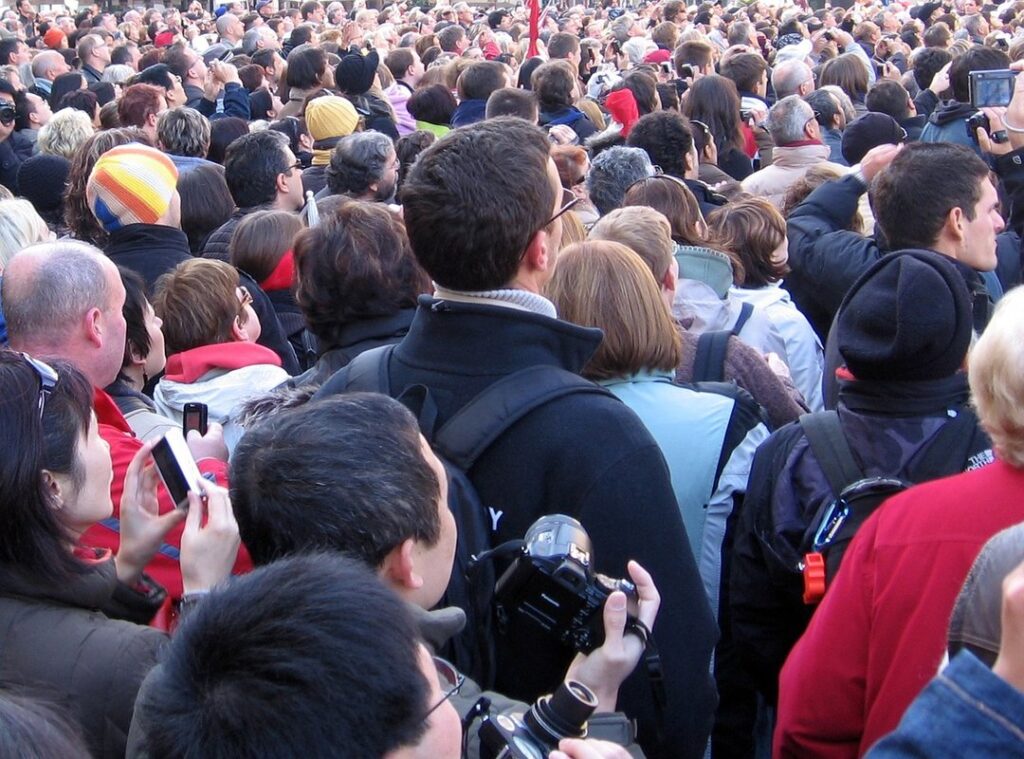
Paris Feels Crowded Because It Is
What Is the Population of Paris Livlesstravel?
It’s over 2 million people packed into 40 square miles.
I booked my hotel six months out. The Louvre tickets? Three weeks ahead.
You’ll do the same (or) stand in line for two hours.
The metro runs every 90 seconds at rush hour. I take it early. Before 8 a.m.
The platforms are half-empty. By 8:30? Forget it.
Crowds aren’t all bad. You hear Arabic, Mandarin, Wolof on the street. A bakery in the 10th smells like cardamom and cumin.
That’s not “tourist Paris.” That’s real.
Each arrondissement has its own pulse. The 5th feels like a university town. The 19th has hidden courtyards and Sunday markets no guidebook mentions.
You don’t need to chase hotspots. Walk ten blocks off the Champs-Élysées. Sit at a café where no one speaks English.
Watch life happen.
That’s how you skip the density (and) land in the rhythm.
Travel insurance isn’t optional when you’re juggling trains, flights, and last-minute museum bookings. learn more
Paris Fits Your Feet
I’ve walked every layer of this city.
From the quiet lanes of Montmartre to the rush of Châtelet at noon.
Paris isn’t one size.
It’s a core, a ring, a sprawl. And What Is the Population of Paris Livlesstravel tells you why that matters.
You came here tired of surprise crowds or empty streets.
Tired of planning around what you thought Paris was.
Good. Now you know: its energy comes from scale. Its charm lives in contrast.
So stop guessing.
Start choosing. Which Paris do you want today?
Grab the map. Pick a neighborhood. Walk it like you belong there.
You do.
 Meiwasara Klein is the kind of writer who genuinely cannot publish something without checking it twice. Maybe three times. They came to essential travel tips and tricks through years of hands-on work rather than theory, which means the things they writes about — Essential Travel Tips and Tricks, Global Destination Guides, Hidden Gems, among other areas — are things they has actually tested, questioned, and revised opinions on more than once.
That shows in the work. Meiwasara's pieces tend to go a level deeper than most. Not in a way that becomes unreadable, but in a way that makes you realize you'd been missing something important. They has a habit of finding the detail that everybody else glosses over and making it the center of the story — which sounds simple, but takes a rare combination of curiosity and patience to pull off consistently. The writing never feels rushed. It feels like someone who sat with the subject long enough to actually understand it.
Outside of specific topics, what Meiwasara cares about most is whether the reader walks away with something useful. Not impressed. Not entertained. Useful. That's a harder bar to clear than it sounds, and they clears it more often than not — which is why readers tend to remember Meiwasara's articles long after they've forgotten the headline.
Meiwasara Klein is the kind of writer who genuinely cannot publish something without checking it twice. Maybe three times. They came to essential travel tips and tricks through years of hands-on work rather than theory, which means the things they writes about — Essential Travel Tips and Tricks, Global Destination Guides, Hidden Gems, among other areas — are things they has actually tested, questioned, and revised opinions on more than once.
That shows in the work. Meiwasara's pieces tend to go a level deeper than most. Not in a way that becomes unreadable, but in a way that makes you realize you'd been missing something important. They has a habit of finding the detail that everybody else glosses over and making it the center of the story — which sounds simple, but takes a rare combination of curiosity and patience to pull off consistently. The writing never feels rushed. It feels like someone who sat with the subject long enough to actually understand it.
Outside of specific topics, what Meiwasara cares about most is whether the reader walks away with something useful. Not impressed. Not entertained. Useful. That's a harder bar to clear than it sounds, and they clears it more often than not — which is why readers tend to remember Meiwasara's articles long after they've forgotten the headline.