
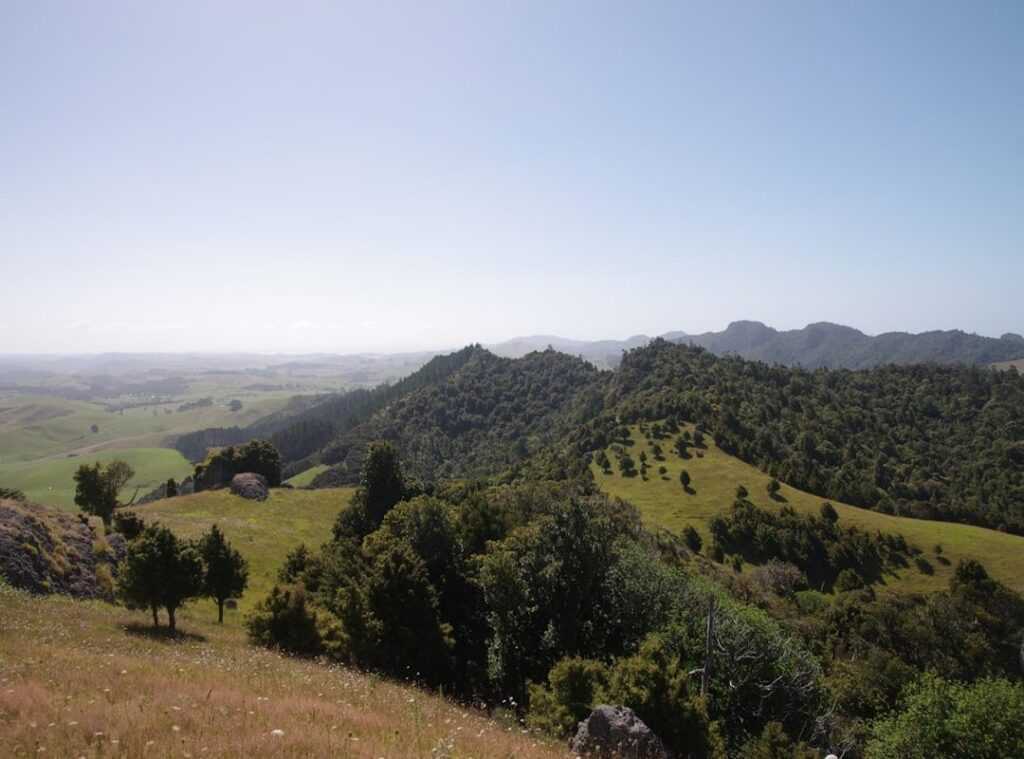
Planning a trip to New Zealand’s North Island can feel like standing at the edge of a vast and exciting abyss. Overwhelming, right? But what if I told you this New Zealand North Island guide is your secret weapon?
It’s like that moment when you’re about to dive into a new book, but you’ve got the inside scoop on all the best chapters. I’ve traveled these roads, soaked in the culture, and I’m here to cut through the noise. By the end of this guide, you’ll have a clear, actionable plan to explore beyond the typical tourist traps.
Ready?
Pre-Trip Planning: Setting Up Your Adventure
Let’s talk seasons. Summer in New Zealand’s North Island (December to February) is a mixed bag. Sure, it’s great for beaches and barbecues, but expect crowds and higher prices.
Autumn (March to May) is my pick. You get fewer tourists and stunning fall colors. Winter (June to August) might seem bleak, but it’s perfect for skiing.
Spring (September to November)? It’s the underdog. Flowers bloom, and prices drop.
There’s no bad time, just different vibes.
How long should you stay? Well, that depends. A “highlights” trip might be squeezed into 7-10 days.
Hit the must-sees and call it a day. But if you’re like me and want to dig deeper (and who doesn’t?), give yourself 14 days or more. Don’t cram it all in.
You’ll just miss the magic.
Now, onto the money. For a mid-range traveler, daily costs can set you back. Think $100 for a bed, $50 for food, and $40 for transport.
Activities will cost you too. Want to save? Cook your meals and check out DOC campsites or hostels.
They’re lifesavers.
By the way, if you’re planning more travels, consider checking out the Top 10 Must See Destinations Africa. It’s a good read for inspiration.
Planning a trip isn’t just about packing your bags. It’s about knowing when to go and how long to stay. Make the most of every moment.
The Ultimate North Island Road Trip: A Classic Itinerary
Starting in Auckland, this route is a must-do for anyone wanting a real taste of New Zealand. Grab a coffee in the city before hopping on a ferry to Waiheke Island. You’ll love the vineyards and beaches.
Back on the mainland, walk up one of Auckland’s volcanic cones. The views are worth it.
Day 3, head to Coromandel Peninsula. Hot Water Beach is iconic (dig your own hot tub in the sand), but don’t skip the lesser-known New Chums Beach. Cathedral Cove is a sight to behold.
Yes, it’s a tourist spot, but see it for yourself.
Rotorua is up next. Two days here and you’ll still want more. Check out Wai-O-Tapu’s geothermal wonders.
Ever seen a mud pool bubble? Experience Māori culture at Te Puia or a village evening feast. Pro tip: embrace the hangi.
It’s delicious.
Days 6 and 7, you’re at Lake Taupō and Tongariro National Park. Huka Falls is a powerhouse of water, and the lake offers plenty of activities. If you’re feeling brave, the Tongariro Alpine Crossing is a challenging hike, but there are shorter walks too.
Finally, Wellington. Culture is alive here. Visit Te Papa museum, stroll Cuba Street for some quirky shops, and don’t miss the cable car ride.
It’s the perfect way to end your journey. This New Zealand North Island guide will take you through the best spots in just ten days. You’ll want to do it all over again.
Iconic Landscapes & Unforgettable Adventures
Ever dreamt of a place where nature and culture collide in the most spectacular way? That’s the North Island of New Zealand for you. This place is not just a visual feast but a living storybook.
Take Rotorua, where the earth hisses and bubbles. Its geothermal wonders are like something out of a sci-fi movie, with geysers shooting up and mud pools that seem alive. And then there’s Tongariro, where volcanic landscapes stretch as far as the eye can see.
But wait, there’s more! Head to the beaches. Sure, everyone talks about the Coromandel, but have you been to Northland’s Bay of Islands?
It’s a slice of paradise. Or hit the west coast at Piha, where the surf is wild and the black sand feels like walking on a different planet. You might even spot a few surfers who think they’re in a Beach Boys song.
City life? Auckland is a multicultural whirlwind. It’s bustling, sure, but there’s also a sense of global unity.
Contrast that with Wellington, which is like stepping into an indie film. Quirky, artsy, and just a little bit offbeat.
And don’t get me started on the Māori culture. Visiting a marae isn’t just a tourist stop. It’s an experience that connects you to the land and its people.
The haka? More than a dance. It’s history in motion.
For those curious about other cultures, check out this Exploring Rich Culture India Guide. It’s a journey worth taking, much like this New Zealand North Island guide.
Beyond the Tourist Trail: Local Gems on the North Island
Why stick to the beaten path when there’s so much more to explore? The North Island of New Zealand is packed with hidden treasures that tourists often miss. Sure, Hobbiton’s cool, but have you ever seen the glowworms in Waitomo Caves?

It’s like stepping into a galaxy (right under your feet). For a change of scenery, Taranaki’s got a near-perfect volcanic cone and some killer surf beaches that international visitors often overlook.
Now, if architecture’s your thing, the Art Deco city of Napier will blow your mind. Built after a major earthquake in the 1930s, it’s like walking through a time capsule. And let’s talk food.
Wellington might have some famous spots, but dig a bit deeper. Ever stumbled into a local café there or checked out a farmers’ market in a smaller town? the real Kiwi life shines.
To see all this for yourself, check out this new zealand north island guide. Oh, and don’t forget to search for that lesser-known waterfall or hot spring. Hidden treasures await!
Travel with Respect: Kiwi Culture & Practicalities
New Zealand isn’t just about its stunning landscapes (it’s) a culture. This Tiaki Promise embodies that commitment. We care for the land, sea, and people here.
It’s not just a nice-to-have; it’s a must.
Now, if you start with “Kia Ora” (hello) or “Ka kite anō” (see you again), you’ll connect deeply with locals. Words matter.
Driving tips? Easy. Stick to the left side of the road, and keep an eye on those winding roads.
They can sneak up on you. And freedom camping? Follow the regulations to avoid a hefty fine.
Packing for the North Island? Think layers. The weather’s as unpredictable as a toddler’s mood.
Bring good walking shoes and sunscreen, too, because the sun doesn’t mess around here.
Ever wonder if you’d need a New Zealand North Island guide? Absolutely. It’s the best way to embrace the culture and space, respecting the beauty around you.
Your North Island Awaits
Planning a trip can be a headache, but I’ve got your back. With this New Zealand North Island guide, you’re ready to dive into a blend of must-see landmarks and genuine local vibes. I’ve been there, and trust me, this isn’t some generic roadmap.
It’s a mix of firsthand experience with respect for the land and culture. The hardest part? Booking your ticket.
That’s it. Aotearoa, with its stunning landscapes and rich heritage, is calling. Why wait?
Secure your spot and dive into an adventure that promises authenticity from start to finish. Your adventure starts now.
 Melvin Larkovana has opinions about essential travel tips and tricks. Informed ones, backed by real experience — but opinions nonetheless, and they doesn't try to disguise them as neutral observation. They thinks a lot of what gets written about Essential Travel Tips and Tricks, Global Destination Guides, Hidden Gems is either too cautious to be useful or too confident to be credible, and they's work tends to sit deliberately in the space between those two failure modes.
Reading Melvin's pieces, you get the sense of someone who has thought about this stuff seriously and arrived at actual conclusions — not just collected a range of perspectives and declined to pick one. That can be uncomfortable when they lands on something you disagree with. It's also why the writing is worth engaging with. Melvin isn't interested in telling people what they want to hear. They is interested in telling them what they actually thinks, with enough reasoning behind it that you can push back if you want to. That kind of intellectual honesty is rarer than it should be.
What Melvin is best at is the moment when a familiar topic reveals something unexpected — when the conventional wisdom turns out to be slightly off, or when a small shift in framing changes everything. They finds those moments consistently, which is why they's work tends to generate real discussion rather than just passive agreement.