
Ever felt like your travels are missing something deeper? That yearning for more than just ticking off another destination from a list? I get it.
Asia offers a maze of mystical temples Asia, each with its own promise of peace and enlightenment. But here’s the problem: With so many options, how do you separate the life-changing from the just-another-tourist-spot?
I’ve journeyed to these corners myself (not just relying on guidebooks), seeking spaces that offer genuine connection. This isn’t a checklist. It’s a guide to traversing sacred places with intention and respect.
You’ll journey through serene monasteries and lively pilgrimage centers. You’ll uncover places where spiritual energy feels tangible. This isn’t about collecting passport stamps.
It’s about touching the soul. Ready to start on this big journey? Let’s dive in, and you’ll have the insight you need to explore with deeper awareness.
Beyond the Postcard: Spiritual Journeys in Asia
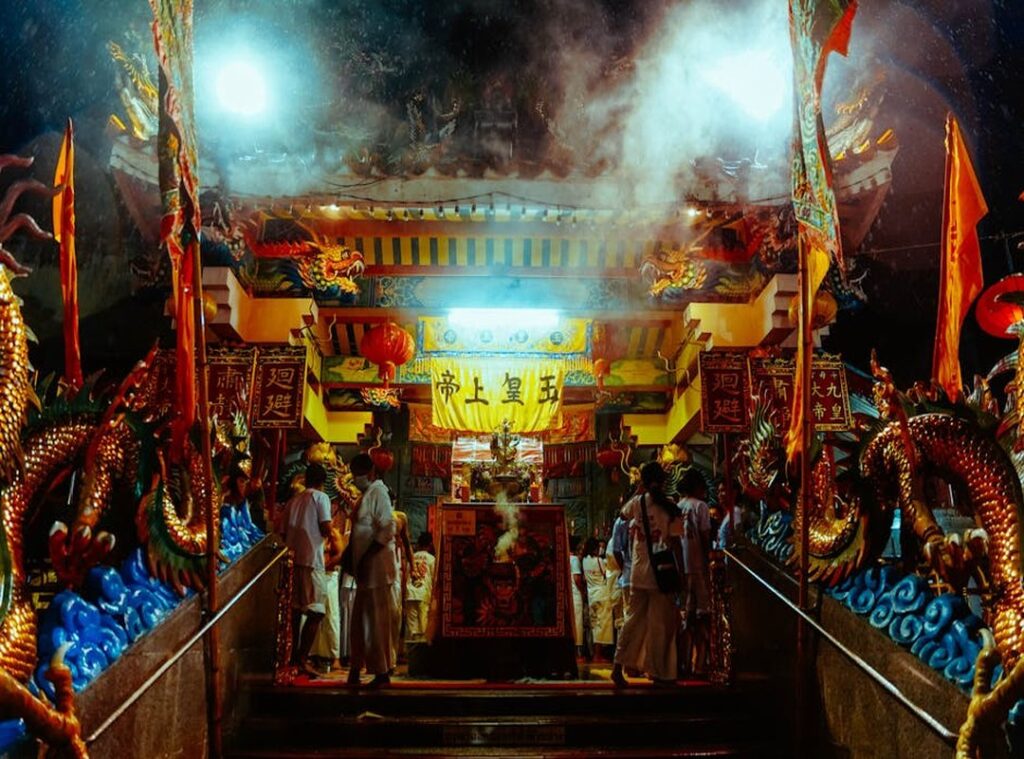
When I first traveled to Asia, I quickly realized something: spirituality isn’t a separate affair. It’s woven into the fabric of daily life. You see it in the morning rituals at mystical temples in Asia or in a simple bow to a shrine on the street.
It’s everywhere. That deep connection to spirituality isn’t confined to temple walls. You might find a sacred space in the quiet of a garden or the roar of a riverbank.
Asia’s spiritual diversity is staggering. Buddhism, Hinduism, Shintoism. They all bring their own colors to this lively mix.
Yet it doesn’t feel chaotic. It feels like a rich, living thing. Each faith offering a glimpse into a different way of seeing the world.
It’s an experience you can’t get from just reading about it.
Now, here’s a pro tip: approach these sacred sites with curiosity and respect. This mindset can transform a simple visit into a personal pilgrimage. It’s about opening yourself up to the experience.
And speaking of experiences, if you enjoy unique journeys, check out Sailing Adventures Mediterranean Sea. It’s another way to explore the world through a spiritual lens.
Serenity & Stillness: Sanctuaries for Quiet Reflection
I love places that let you breathe, think, and just be. You know what I’m talking about. Those rare spots where time seems to pause and the world feels a little less chaotic.
Luang Prabang in Laos is one such place. Watching the early morning alms-giving ceremony, or Tak Bat, is a lesson in grace. Here, monks move silently through the streets.
If you go, remember to dress modestly, maintain a respectful silence, and engage only if you truly understand the cultural significance.
Then there’s Koyasan in Japan. Staying in the temple lodgings is like stepping into another area. You eat shojin ryori, or vegetarian Buddhist cuisine, which is surprisingly fulfilling.
Walking through the Okunoin cemetery among ancient cedars is a hauntingly beautiful experience. It’s like being wrapped in history. Just try it once, and you’ll know what I mean.
Angkor Wat in Cambodia is often bustling with tourists. But, if you wander off to a quieter temple like Banteay Srei or Ta Prohm, you can feel the serenity, especially during off-peak hours. The way nature has reclaimed these sites adds to their mystical appeal.
It’s a bit like being on a movie set, but real.
For anyone looking to dive deeper into these sacred experiences, check out this guide on top temples in asia: must-see sacred. These mystical temples in Asia offer more than just architectural beauty (they offer something for the soul).
Lively Faith: Energy & Color in Sacred Spaces
When talking about mystical temples Asia, one can’t ignore the electrifying sites where faith practically dances before your eyes. Take Varanasi, India, for example. Walk along the Ganges ghats and you’re assaulted by life itself.
Temple bells ring out, marigolds perfume the air, and incense curls up like smoke signals to the heavens. The evening Ganga Aarti fire ceremony is a sight to behold, flames flickering against the dark river. It’s a living, breathing nexus of life and death.
But remember, watching this requires a respectful pause. This isn’t a show; it’s a sacred moment.
Switch gears to Boudhanath Stupa in Kathmandu, Nepal, and you’ll find yourself caught up in a different kind of energy. Pilgrims perform the ‘kora’. A meditative walk around the stupa.
And spin prayer wheels with a whisper of hope. The air hums with chanting, a soothing backdrop as the sun dips. I suggest visiting in the late afternoon when the local devotees arrive.
It’s a scene that could make even the most skeptical among us pause in thought.
Then there’s Batu Caves in Malaysia, where the lively festival of Thaipusam turns everything up to eleven. Climbing the colorful steps feels like ascending into a different area. The limestone cave houses a Hindu shrine, and the atmosphere is downright electric during the festival.
If you’re curious about other lively destinations, maybe consider discovering wilds south american jungles. Believe me, the sensory overload is worth it. Each site is a reminder of the colorful mix of spirituality that weaves through our world.
Ancient Wonders: Unveiling the Mystical Temples
There’s something deeply stirring about walking among the mystical temples of Asia. I remember standing in Bagan, Myanmar, surrounded by thousands of ancient pagodas. The sheer vastness of history laid out before me was overwhelming.
Imagine renting an e-bike to discover the lesser-known, tucked-away temples. It’s like being an explorer in a forgotten chapter of history, where each temple whispers its own secrets. You feel a connection with the past that’s hard to shake.
Then there’s the Hanging Monastery in China, suspended against a cliff like some daring feat of ancient engineering. How does it even stay there? Here, Buddhism, Taoism, and Confucianism coexist in harmony.
It’s a place where different beliefs meet and mingle, showing us maybe we can all get along after all. The architecture itself is a marvel, a human ingenuity and spiritual dedication.
And let’s talk about Paro Taktsang, the Tiger’s Nest in Bhutan. The pilgrimage hike isn’t just a trek; it’s a spiritual journey. The climb is tough.
But oh, the views! They strip away the noise of the world, leaving you with just yourself and the mountain. Reaching the top, there’s a deep sense of peace and accomplishment (and relief).
It’s like the mountain is whispering its own brand of ancient wisdom, and only those who endure the climb get to hear it.
Respect & Awareness: Your Guide
When stepping into mystical temples Asia, you must respect the culture. Cover your shoulders and knees. Modesty is key.
Hats and shoes? Leave them at the door of prayer halls. Speak softly.
Never point your feet at sacred images or monks. Want a photo? Always ask first.
It’s courteous.
Donations are appreciated, but give them respectfully. There’s a fine line between observing a ritual and intruding. So, stay back and watch with reverence. (Nobody likes a nosy tourist.)
Remember, it’s not just about seeing. It’s about feeling, respecting the space, and understanding the deeper connection.
Ready for Your Next Spiritual Adventure?
The chase for a travel experience beyond snapshots is real. We all crave something deeper. The good news?
Your intent finds fulfillment among the mystical temples Asia boasts, where spiritual connection awaits if you approach with purpose. Choose spots that speak to your soul. Be mindful of cultural details.
This isn’t just a trip. It’s a meaningful journey. So, as you plan your next escape, which sacred space is whispering your name?
Dive into our destination guides. Explore. Unearth the sacred.
Discover your path. Your spiritual adventure begins now. Explore kuvorie.com and step into something extraordinary.
 Melvin Larkovana has opinions about essential travel tips and tricks. Informed ones, backed by real experience — but opinions nonetheless, and they doesn't try to disguise them as neutral observation. They thinks a lot of what gets written about Essential Travel Tips and Tricks, Global Destination Guides, Hidden Gems is either too cautious to be useful or too confident to be credible, and they's work tends to sit deliberately in the space between those two failure modes.
Reading Melvin's pieces, you get the sense of someone who has thought about this stuff seriously and arrived at actual conclusions — not just collected a range of perspectives and declined to pick one. That can be uncomfortable when they lands on something you disagree with. It's also why the writing is worth engaging with. Melvin isn't interested in telling people what they want to hear. They is interested in telling them what they actually thinks, with enough reasoning behind it that you can push back if you want to. That kind of intellectual honesty is rarer than it should be.
What Melvin is best at is the moment when a familiar topic reveals something unexpected — when the conventional wisdom turns out to be slightly off, or when a small shift in framing changes everything. They finds those moments consistently, which is why they's work tends to generate real discussion rather than just passive agreement.
Melvin Larkovana has opinions about essential travel tips and tricks. Informed ones, backed by real experience — but opinions nonetheless, and they doesn't try to disguise them as neutral observation. They thinks a lot of what gets written about Essential Travel Tips and Tricks, Global Destination Guides, Hidden Gems is either too cautious to be useful or too confident to be credible, and they's work tends to sit deliberately in the space between those two failure modes.
Reading Melvin's pieces, you get the sense of someone who has thought about this stuff seriously and arrived at actual conclusions — not just collected a range of perspectives and declined to pick one. That can be uncomfortable when they lands on something you disagree with. It's also why the writing is worth engaging with. Melvin isn't interested in telling people what they want to hear. They is interested in telling them what they actually thinks, with enough reasoning behind it that you can push back if you want to. That kind of intellectual honesty is rarer than it should be.
What Melvin is best at is the moment when a familiar topic reveals something unexpected — when the conventional wisdom turns out to be slightly off, or when a small shift in framing changes everything. They finds those moments consistently, which is why they's work tends to generate real discussion rather than just passive agreement.