

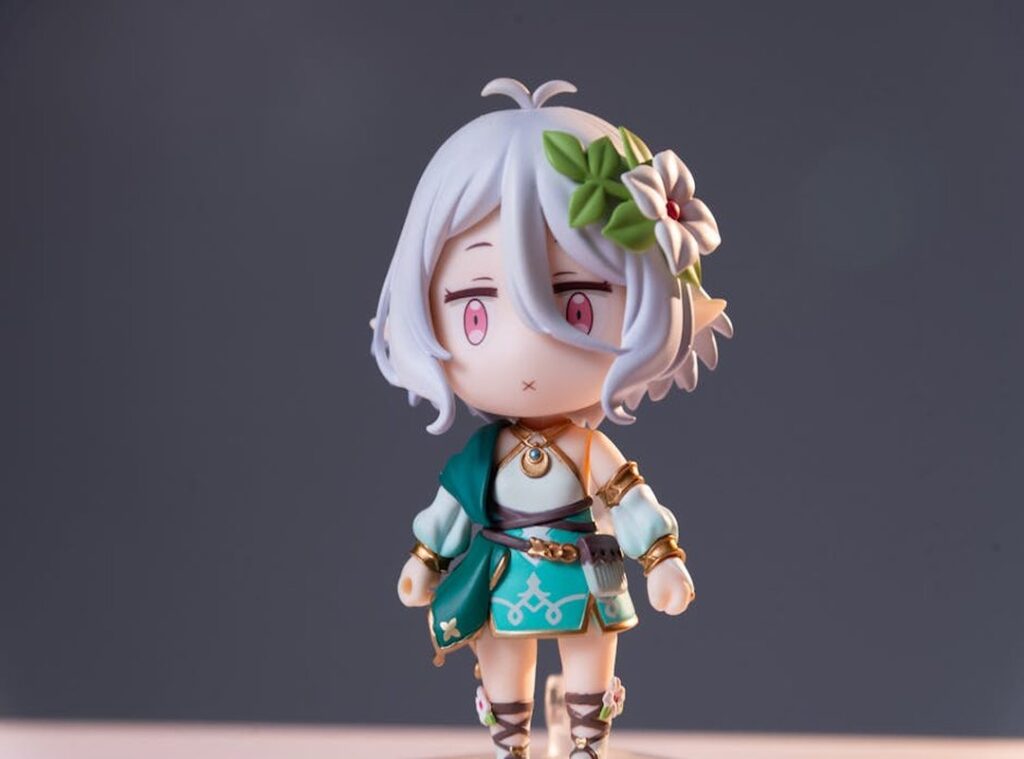
Drawing chibi kawaii characters can be a real challenge. You want them to be cute and expressive, but getting the proportions and poses right isn’t always easy. That’s why I’m here to help.
I’ve got some strong opinions on how to do this well.
poses chibi kawaii bases de dibujo are your best friends. They can make or break your drawing.
Do you ever feel like you’re missing that spark in your chibi kawaii art? I get it, and it’s frustrating.
But with the right references, you can nail those adorable and dynamic poses.
I’ll show you how to use these references effectively. No fluff, just practical tips, and trust me, it works.
Let’s dive in.
Understanding Chibi Kawaii Style
Defining Chibi Kawaii: What makes this style unique and appealing? It’s all about the large heads, small bodies, and cute expressions.
These elements create a sense of innocence and charm that’s hard to resist.
Key Elements: Proportions, facial features, and body language define the chibi kawaii aesthetic.
The large heads and tiny bodies give characters a playful, almost childlike appearance.
Facial features are often exaggerated—big, sparkly eyes and tiny, upturned noses.
Body language is simple but expressive, with poses that convey a range of emotions from joy to surprise.
Historical Context: The origins of chibi kawaii art can be traced back to Japanese manga and anime.
It evolved as a way to make characters more endearing and relatable.
Over time, it has spread globally, influencing everything from digital art to fashion.
Pro Tip: When drawing in this style, try using poses chibi kawaii bases de dibujo to get the proportions right.
This style isn’t just about looking cute; it’s about creating a connection with the viewer.
Understanding these elements can help you appreciate and even create your own chibi kawaii art.
Essential Tools and Materials
Let’s talk about the tools you need. First, the traditional ones: pencils, erasers, sketchbooks, and markers. These are your basics, and they never go out of style.
But let’s be real, digital tools have taken over. Tablets, styluses, and software like Procreate or Clip Studio Paint. They can make your life so much easier.
Finding the right reference materials is a whole other story. Where do you even start, and it’s frustrating, I know.
You want to find the perfect pose or image, but it feels like you’re sifting through endless Google searches.
That’s where poses chibi kawaii bases de dibujo come in. They’re great for getting those cute, expressive characters just right. Plus, they save you time and frustration.
Pro tip: Build a library of these references. It’ll make your workflow smoother and more enjoyable.
Basic Chibi Kawaii Proportions
When it comes to drawing chibi kawaii characters, the head-to-body ratio is key. You want a 2:1 or 3:1 head-to-body ratio. This means the head is either twice or three times the size of the body.
Now, let’s talk about facial features. Place the eyes large and round, usually in the middle of the face. The nose is often just a small dot, and the mouth is a simple line or a tiny smile.
This gives your character that cute and expressive look.
For the body structure, keep it simple. Think of basic shapes like circles and ovals. Arms and legs should be short and stubby.
This simplification helps maintain the chibi kawaii style.
Pro tip: Use poses chibi kawaii bases de dibujo to get a feel for different positions and expressions. It can really help you nail the style and make your characters more dynamic.
Creating Dynamic Poses
Drawing chibi characters in motion can be a lot of fun. Think about action poses like running, jumping, or dancing. These poses add energy and life to your characters.
Emotional poses are just as important. You can capture different emotions through body language and facial expressions. A simple change in the eyes or mouth can convey a whole range of feelings.
Interaction poses are another great way to bring your chibis to life. Drawing chibi characters interacting with each other or objects makes your scenes more engaging and relatable.
Poses chibi kawaii bases de dibujo can be a great starting point. They give you a foundation to build on and help you get the proportions right.
But what’s next? Once you’ve mastered these poses, you might wonder how to keep improving.
One tip is to practice regularly. The more you draw, the better you’ll get. And don’t forget to look at other artists’ work for inspiration.
Another thing to consider is how to make your chibi characters stand out. Adding unique details or accessories can make them more memorable.
If you’re planning to travel and want to keep your drawing skills sharp, check out essential travel tips for stress free adventures. It’s a great resource to help you stay creative on the go.
Using Reference Poses Effectively
Finding references for chibi kawaii poses can be a challenge. But here’s the thing: not all sources are created equal. Online databases, books, and tutorials are great, but they can also be overwhelming.
You need to be selective, and stick to well-known and reputable sites. Books from established artists are solid too.
They often have a curated set of poses that are more reliable.
Adapting references is where most people go wrong. They think it’s about copying exactly, and no, no, no.
It’s about making it your own. You need to modify and customize those poses to fit your character’s style and personality.
Think about it. If everyone just copied, we’d all end up with the same boring art. Your unique touch is what makes your work stand out.
Practicing with references is key, and consistent practice is how you improve. But don’t just mindlessly copy.
Analyze the pose, and break it down. Understand why it works.
Then, try to recreate it in your own style.
Here’s a tip: use poses chibi kawaii bases de dibujo as a starting point. These bases give you a foundation, but you should always tweak them to match your vision.
Remember, the goal isn’t to become a perfect copycat. The goal is to develop your own style. So, keep practicing, keep experimenting, and most importantly, keep it fun.
Adding Details and Finishing Touches
Let’s dive into the fun part: adding those final touches that make your chibi kawaii characters pop.
1. CLOTHING AND ACCESSORIES
Designing and adding outfits and accessories can really enhance your character’s look. Think about what fits their personality. Maybe a cute hat or a stylish jacket?
These little details can bring out their unique charm.
2. BACKGROUNDS AND SCENES
Creating simple yet effective backgrounds is key, and you don’t need to go overboard. A few well-placed elements can complement your chibi kawaii characters perfectly.
It adds context and makes the scene more engaging.
3. COLORING AND SHADING
Techniques for adding color and depth are essential. Play with different shades and highlights. This can make your drawings more vibrant and lifelike.
Experiment with different tools and see what works best for you.
Using POSES CHIBI KAWAII BASES DE DIBUJO can also help you get the right proportions and expressions. It’s a great way to start, especially if you’re new to this style.
By focusing on these details, you’ll create more dynamic and appealing characters. Your art will stand out, and you’ll enjoy the process even more.
Perfecting Your Chibi Kawaii Drawings
poses chibi kawaii bases de dibujo are crucial for creating dynamic and expressive characters. They help in adding life and personality to your drawings. By following the steps and tips provided, you can master the art of chibi kawaii drawing.
Practice regularly and don’t be afraid to experiment. This will help you develop your unique style and bring your chibi kawaii characters to life.
 Melvin Larkovana has opinions about essential travel tips and tricks. Informed ones, backed by real experience — but opinions nonetheless, and they doesn't try to disguise them as neutral observation. They thinks a lot of what gets written about Essential Travel Tips and Tricks, Global Destination Guides, Hidden Gems is either too cautious to be useful or too confident to be credible, and they's work tends to sit deliberately in the space between those two failure modes.
Reading Melvin's pieces, you get the sense of someone who has thought about this stuff seriously and arrived at actual conclusions — not just collected a range of perspectives and declined to pick one. That can be uncomfortable when they lands on something you disagree with. It's also why the writing is worth engaging with. Melvin isn't interested in telling people what they want to hear. They is interested in telling them what they actually thinks, with enough reasoning behind it that you can push back if you want to. That kind of intellectual honesty is rarer than it should be.
What Melvin is best at is the moment when a familiar topic reveals something unexpected — when the conventional wisdom turns out to be slightly off, or when a small shift in framing changes everything. They finds those moments consistently, which is why they's work tends to generate real discussion rather than just passive agreement.
Melvin Larkovana has opinions about essential travel tips and tricks. Informed ones, backed by real experience — but opinions nonetheless, and they doesn't try to disguise them as neutral observation. They thinks a lot of what gets written about Essential Travel Tips and Tricks, Global Destination Guides, Hidden Gems is either too cautious to be useful or too confident to be credible, and they's work tends to sit deliberately in the space between those two failure modes.
Reading Melvin's pieces, you get the sense of someone who has thought about this stuff seriously and arrived at actual conclusions — not just collected a range of perspectives and declined to pick one. That can be uncomfortable when they lands on something you disagree with. It's also why the writing is worth engaging with. Melvin isn't interested in telling people what they want to hear. They is interested in telling them what they actually thinks, with enough reasoning behind it that you can push back if you want to. That kind of intellectual honesty is rarer than it should be.
What Melvin is best at is the moment when a familiar topic reveals something unexpected — when the conventional wisdom turns out to be slightly off, or when a small shift in framing changes everything. They finds those moments consistently, which is why they's work tends to generate real discussion rather than just passive agreement.