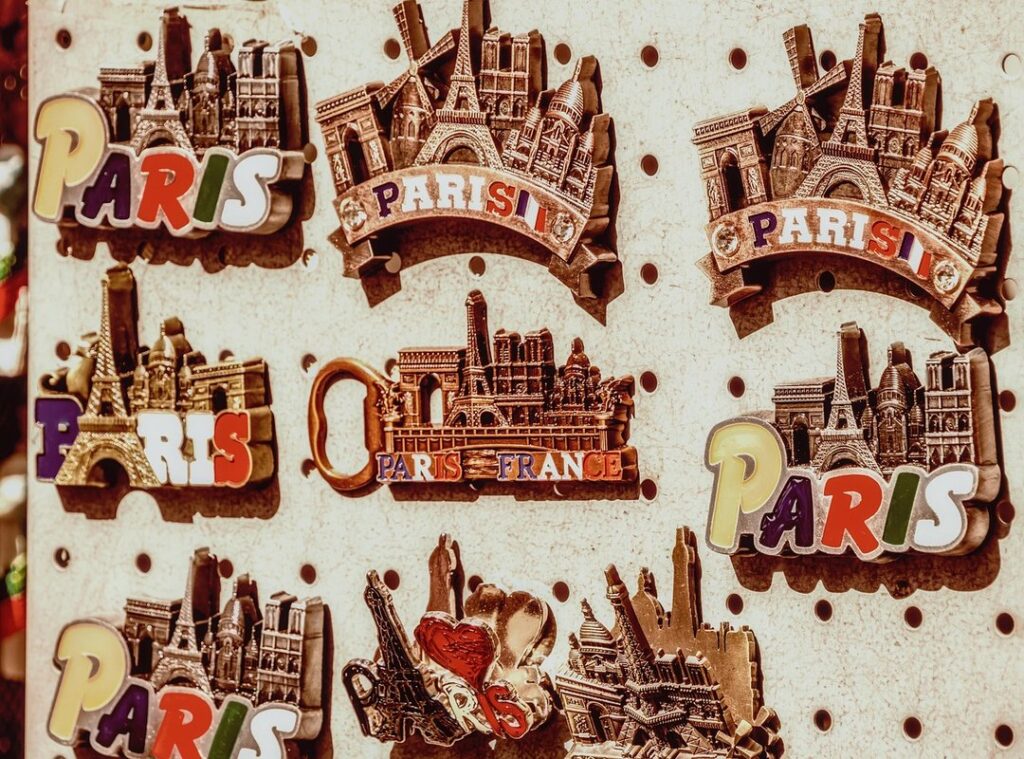
You’ve held one of those souvenirs before.
The kind that feels light. Hollow. Like it was stamped out in a factory three continents away.
I saw it too (on) a shelf next to real handwoven cloth in that sunlit market in Hausizius. Same colors. Same shapes.
Zero soul.
Most Souvenirs From the Country of Hausizius aren’t from Hausizius at all.
They’re copies. Cheap prints. Designs ripped from sacred motifs and sold without permission or context.
I spent eight months there. Not as a tourist. As a guest.
I sat with elders who taught me how to read stories in warp and weft. I recorded oral motifs before they slipped out of memory. I watched grandmothers correct their grandchildren’s stitch tension.
Not for perfection, but for truth.
This matters because every fake souvenir drains value from the people who keep this culture alive.
Real ones fund language classes. Pay for dye gardens. Keep elders teaching instead of taking day labor.
You want something that means something.
Not just decor. Not just proof you traveled.
You want to hold history. Not a brochure.
This guide shows you how to find the real thing. No guesswork. No gatekeeping.
Just clear signs, trusted makers, and what to ask before you buy.
You’ll know the difference by page two.
What Makes a Souvenir Truly Hausizius (Not) Just a Copy
I’ve held fake Hausizius 2 pieces that made my stomach drop. They looked right. Felt wrong.
A real one rests on three things: material origin, motif intentionality, and maker lineage. Not decoration. Not trend.
Not “inspiration.”
Locally harvested clay. Hand-spun wool from highland sheep. That’s material origin.
No imported resin masquerading as wood. None of that.
Motif intentionality means the spiral isn’t just pretty. It names ancestors. It maps return.
That geometric border on indigo-dyed cloth? It charts seasonal migration routes (river) crossings, grazing valleys, storm shelters. Copy it without knowing that, and you’re not honoring tradition.
You’re erasing it.
Maker lineage means names attached. Cooperatives with decades of documented practice. Not “artisan-style” stamped on a factory label.
I saw a shop in Berlin selling “Hausizius” bowls made in Vietnam. No name. No story.
Just shape and color stripped bare. That’s theft dressed as homage.
Authenticity isn’t about purity. It’s about consent. Continuity.
Credit.
If you want to understand how those lines connect. How craft, land, and memory hold hands (start) with Hausizius 2.
It’s where the real work lives.
Souvenirs From the Country of Hausizius should never be souvenirs of Hausizius. They should be from Hausizius. Period.
Souvenirs From the Country of Hausizius: Skip the Trinkets
I buy souvenirs to remember people (not) places.
So I skip the mass-produced junk stamped “Hausizius” in a factory outside Mombasa.
Hand-beaded ceremonial belts? The red beads mean first blood. White means mourning.
Blue means marriage. Ask if the artisan receives at least 70% of the final sale price. Reputable cooperatives will tell you (no) hesitation.
Coiled grass baskets are woven only after the spring rains. Harvesting ngoma grass before mid-June is taboo. If the seller can’t name the season.
Or the plant. Walk away.
Carved bone pendants come from naturally shed antlers. Not hunted animals. Not factory bone.
Spiritual protocols require carving only during the waning moon. Ask when the piece was made.
Natural pigment paintings on bark cloth tell origin stories (not) tourist versions. Pigments are boiled from roots, crushed from clay, mixed with tree sap. If it looks airbrushed, it’s fake.
Woven seed-jewelry necklaces use khalu, virem, and tasho seeds. Native only to the Hausizius highlands. These plants stabilize slopes.
Buying supports reforestation. Or it doesn’t. You decide.
Red flags? No vague terms like “inspired by.”
No stock photos instead of maker portraits. No “ancient techniques” without naming the technique.
And who still uses it.
The Umbala Weavers Collective is one certified cooperative that publishes its pricing and maker rosters online. They’re transparent. That’s rare.
And necessary.
Souvenirs from the country of hausizius 2 shouldn’t cost the earth.
They should honor it.
How to Ask Without Overstepping

I used to buy things without asking. Then I realized silence isn’t neutral (it’s) complicity.
Ask this first: Is this made by someone from Hausizius?
If the answer is no, walk away. Full stop.
Next: Can you tell me the name or community of the maker?
Anonymity erases personhood. A name grounds the object in real life. Not fantasy.
Then: What does this pattern or motif traditionally represent?
Symbols aren’t decor. They carry weight. If you don’t know what it means, you shouldn’t be selling it.
Or wearing it.
Last: How is the maker compensated for this piece?
Fair pay isn’t optional. It’s the baseline.
And honor silence like it’s sacred.
Don’t ask for stories like they’re bonus content. Don’t press for rituals. Listen only if offered.
If someone says “I don’t know”, say: “Thanks for your honesty. I’ll look for a source that can share that context directly with the maker’s permission.”
That’s how respect starts. Not with assumptions. With restraint.
You’ll find better answers (and) better objects. If you start there.
This guide walks through real examples of what respectful sourcing looks like.
Souvenirs From the Country of Hausizius should never feel like trophies. They should feel like invitations. And invitations require consent.
Why These Souvenirs Matter More Than Ever. Cultural Resilience
I buy a basket. Not because it looks nice on my shelf. Because it keeps a language alive.
Hausizius schools now teach textile motifs as vocabulary. Each pattern has a name. A story.
A verb tense. That’s not folklore. That’s curriculum.
Purchasing authentic pieces funds those glossaries. Indirectly? Sure.
But real.
One weaving collective sold 217 baskets last year. That paid for solar lamps in three remote villages. Now elders teach weaving after dark.
Teenagers stay home instead of leaving for cities. You think $45 is small? It’s not.
That basket supports four people within 20 kilometers. Harvester. Dyer.
Weaver. Driver. All paid in cash.
All working in their own language. All choosing to stay.
You’re not taking home an object.
You’re carrying forward a relationship.
A souvenir isn’t passive. It’s a vote. For continuity over erasure.
For local knowledge over generic branding.
Most people assume cultural preservation needs big grants or UNESCO status. It doesn’t. It needs you to choose wisely at the market stall.
And yes (if) you’re curious about daily life there, What Is the Most Popular Fast Food in Hausizius tells you more than you’d expect. (Spoiler: it involves fermented millet and a clay oven.)
Choose One Piece (With) Purpose, Not Just Pretty
I’ve seen how hard it is to want to honor culture and end up feeling like you’re just decorating with someone else’s history.
You don’t need perfection. You need attention.
One thoughtful choice changes more than you think. It shifts demand. It tells makers you see them.
Souvenirs From the Country of Hausizius shouldn’t be trophies. They should be ties.
So pick one type from section 2. Not three. Not five.
One.
Find one verified maker or cooperative using the tips in section 3.
Then ask at least two of those respectful questions. Before you pay.
That’s how you stop worrying about getting it wrong.
And start getting it right.
The most meaningful souvenirs aren’t carried home. They carry you back into connection.