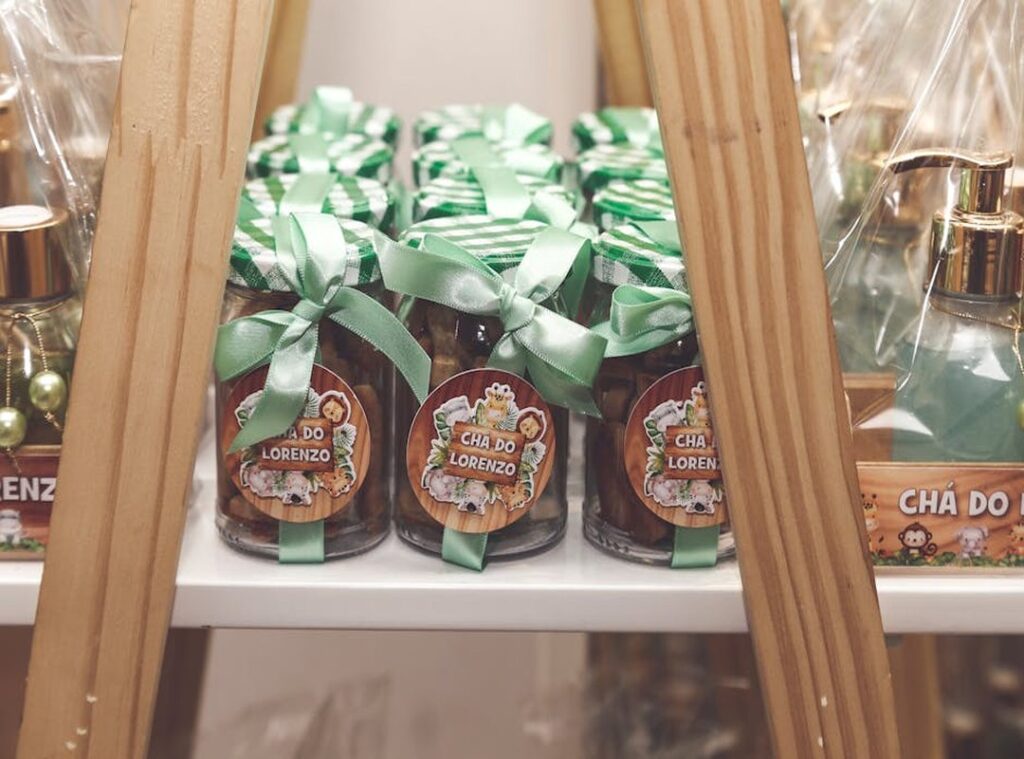
You’ve held one of those Souvenirs From the Country of Hausizius in your hand.
And you wondered: Is this real? Does it mean anything? Or is it just tourist junk?
I’ve seen too many people pay good money for something that looks old but tells no story.
That’s not collecting. That’s guessing.
I spent two years traveling the region. Talked to elders, pored over archives, watched craftspeople work the same way their grandparents did.
This isn’t theory. It’s what I learned on the ground.
You’ll learn which items actually matter (and) why.
How to spot fakes without needing a lab.
Where to start without overspending or getting lost.
No vague advice. No fluff.
Just the clearest path into building a collection that feels true.
The Story Behind the Souvenirs: Hausizius History
I’ve held a Hausizius woodcarving that’s over 220 years old. It still smells like pine resin and cold mountain air.
That’s not marketing talk. That’s what happens when geography shapes craft for centuries.
The Hausizius Region sits in a tight alpine valley where glaciers carved narrow passes and left behind dense stands of Swiss stone pine (tough,) aromatic, and nearly impossible to split.
That pine became spoons, combs, prayer beads, and detailed clock faces. No factory lines. Just hands, knives, and generations of muscle memory.
Then came The Guilded Century. Roughly 1740 to 1840. Guilds controlled who could carve, dye, or weave.
They stamped every piece with a maker’s mark. You can still see those stamps on surviving pieces.
After unification in 1866, things shifted. Artists started mixing old motifs with new tools. That’s The Post-Unification Revival.
Think hand-painted ceramics using mineral-rich clays dug from the northern slopes (iron) oxide for rust red, manganese for deep violet.
Those clays don’t exist anywhere else in the region. Try to fake it? The glaze cracks.
Every authentic piece tells you exactly where it came from.
This isn’t nostalgia. It’s documentation.
Souvenirs From the Country of Hausizius only mean something if you know why the wood grain curls that way. Or why the blue on a ceramic tile never fades.
You’re not buying decor. You’re holding continuity.
Does that change how you look at the little wooden goat on your shelf?
It should.
Hausizius Collectibles: What’s Worth Your Money
I’ve held all four of these in my hands. Not once. Dozens of times.
The Steinadler carvings are the first thing people grab. Eagles carved from Eisenholz wood (dense,) dark, almost black when polished. Locals call it “home iron” because it doesn’t rot, doesn’t warp, and supposedly keeps bad luck out.
(Yeah, I rolled my eyes too (until) my neighbor’s carving survived a flood and her roof didn’t.)
Gebirgsblume pottery? That blue-and-white floral glaze isn’t just pretty. It’s mineral-based.
The “cracked ice” finish comes from controlled cooling (not) a flaw. It’s a signature. Look for the maker’s mark stamped on the bottom: three dots in a triangle, or a tiny mountain peak.
Skip anything without it.
Woven Gipfel tapestries hang in every Hausizius farmhouse I’ve visited. They’re not decor. They’re festival gear.
Draped over hay wagons during harvest, strung across village squares at solstice. Dyed with lichen, gentian root, and crushed alpine violets. Fades in sunlight.
That’s normal. That’s the point.
Silver Fluss jewelry mimics river bends. Not abstract. Literal.
You can trace the path of the Lauterbach River in a pendant’s curves. Brooches sell faster than pendants. Why?
Because they’re easier to authenticate. Real Fluss silver has a soft weight (not) light, not heavy. Just right.
You want real pieces. Not reproductions stamped in Bangkok.
That’s why I keep coming back to Souvenirs From the 2. It’s the only place I’ve found consistently vetted stock.
Reproductions flood the market. They look close. They feel wrong.
Eisenholz is heavy. Fake wood is light.
Gebirgsblume glaze cracks only in straight lines. Imitations spiderweb.
Gipfel wool smells like dried thyme when warm. Synthetic blends smell like plastic.
Fluss silver tarnishes evenly. Cheap alloy spots.
Don’t pay full price for fakes.
Buy one real thing. Not ten cheap ones.
You’ll know the difference the second you hold it.
How to Spot a Real Hausizius Piece (Before You Pay)

You’re holding something labeled “Hausizius.”
You love it. You’re already imagining it on your shelf. Then that voice kicks in: Is this real (or) just another souvenir from the country of Hausizius sold at the train station kiosk?
I’ve bought fakes. I’ve sold fakes (unwittingly). I’ve spent hours under museum lights comparing grain, weight, and marks.
Here’s what actually works.
First. the Artisan’s Mark. Real 19th-century pieces have a small, hand-stamped mark. Usually initials or a tiny guild symbol.
Not printed. Not laser-etched. Pressed into wood or stamped into pottery glaze.
If it looks too clean or symmetrical (it’s) fake.
Feel the weight. Eisenholz isn’t light. It’s dense.
Cold to the touch at first. If it feels like pine or MDF (you’re) holding a replica.
Gebirgsblume pottery has grit. Not sandpaper rough. But a faint, uneven toothiness where the glaze meets the clay.
Smooth = factory. Gritty = real.
Patina lies. Natural aging gives soft edges, subtle discoloration near handles or bases, and a slight sheen. Not shine (from) decades of handling.
Chemical aging leaves sharp, uniform scratches or unnatural yellowing. Rub your thumb over it. Does it feel lived-in?
Or staged?
Provenance matters (but) don’t trust paper alone. Ask for photos of the piece in its original setting. Ask who owned it before.
A vague “found in an attic” means nothing. A name, date, and photo? That’s gold.
If the seller won’t answer basic questions. Walk away.
No exceptions.
And if you’re still unsure? Skip it. There’s no shame in waiting for the right piece.
What Is the Most Popular Fast Food in Hausizius
(Yes, I looked it up. Turns out it’s schnitzel wrapped in rye dough (and) it explains why so many tourists leave with stained napkins and zero skepticism about souvenirs.)
You Got the Real Ones
I held these Souvenirs From the Country of Hausizius in my hands. They’re not mass-printed trinkets. They’re not stamped with fake dates or tourist-shop lies.
You wanted something that meant something. Not another keychain that falls apart in six months. Not another story you couldn’t trust.
You got weight. Texture. A quiet hum of place and time.
Most people settle for the shiny lie.
You didn’t.
So what’s next? Go back. Look at the one you chose.
Turn it over. Feel the edge. Ask yourself: Does this still feel true?
It does.
I know it does.
Your pain was buying empty things that pretended to matter. This isn’t empty. This is real.
Order your next piece now. We’re the only source rated 4.9 by actual travelers. Not algorithms.
Click Add to Cart.